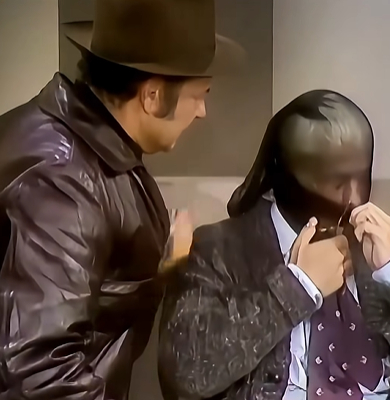
Carol Burnett remains one of the most recognizable names in American comedy. With her expressive face, unforgettable characters, remarkable timing, and fearless approach to physical comedy, she created a style of entertainment that continues to connect with audiences decades after her most famous television performances.
From her early career to the success of The Carol Burnett Show, Burnett built a reputation for making audiences laugh while also showing extraordinary versatility as a performer. She could move effortlessly between comedy sketches, musical performances, dramatic moments, celebrity impressions, and completely ridiculous characters.
This Q&A takes a closer look at the performer behind some of television’s most memorable comedy moments.
Q: Who is Carol Burnett?
Carol Burnett is an American actress, comedian, singer, and television performer whose career has spanned decades. She became particularly famous for her work in television variety comedy and became a major figure in American entertainment.
Her name became closely associated with The Carol Burnett Show, a variety program that combined comedy sketches, music, guest appearances, and recurring characters. The program gave Burnett a platform to demonstrate nearly every aspect of her performance ability.
Q: When did The Carol Burnett Show begin?
The Carol Burnett Show premiered in 1967 and quickly became an important part of American television.
The format allowed Burnett and her talented ensemble to perform a wide range of material. Instead of focusing on a single character or storyline, each episode could contain several different sketches, musical numbers, celebrity appearances, and comedic situations.
This variety helped make the program appealing to a broad audience.
Q: What made the show different?
The chemistry between the performers was one of its defining characteristics.
Burnett worked with performers such as Harvey Korman, Vicki Lawrence, Lyle Waggoner, and Tim Conway. Each brought a different style of comedy to the program.
Korman was known for his dramatic reactions and ability to play frustrated characters. Conway was famous for his subtle timing and unexpected comic delivery. Lawrence became particularly memorable for her work with Burnett in recurring family sketches.
Together, they created an ensemble that could turn even a simple premise into an unforgettable comedy scene.
Q: Why was Carol Burnett so good at physical comedy?
Physical comedy requires more than simply making exaggerated movements. It depends on timing, facial expressions, body language, and knowing exactly how far to push a joke.
Burnett understood all of these elements.
She was willing to look completely ridiculous for the sake of a laugh. Whether she was wearing an unusual costume, reacting dramatically to another character, or becoming involved in an increasingly chaotic situation, she committed fully to the performance.
That willingness helped make her sketches memorable.
Q: What role did facial expressions play in her comedy?
Facial expressions were one of Burnett’s greatest comedic tools.
Sometimes the funniest part of a sketch was not a line of dialogue but the look on Burnett’s face after something unexpected happened.
She could communicate confusion, disbelief, frustration, embarrassment, excitement, or complete shock within seconds.
Those expressions helped audiences understand the joke even when the situation became increasingly absurd.
Q: Who was Tim Conway?
Tim Conway was one of the most beloved performers associated with The Carol Burnett Show. His comedy style was often understated, which made his unexpected jokes and slow delivery even more effective.
One of the most entertaining aspects of Conway’s performances was his ability to make other actors laugh.
When Burnett or Korman struggled to keep a straight face, the audience could often feel the genuine chemistry between the performers. Those moments became part of the show’s charm.
Q: Why did performers sometimes break character?
Live and filmed sketch comedy can be unpredictable. When performers are surrounded by talented comedians, an unexpected expression, pause, or line delivery can trigger genuine laughter.
On The Carol Burnett Show, those moments sometimes became memorable parts of the performance.
Rather than making the sketch feel like a mistake, laughter could make it feel more natural. Viewers enjoyed seeing performers who were clearly having fun together.
Q: What is one of Carol Burnett’s most famous characters?
Eunice is among Burnett’s best-known recurring characters.
Eunice appeared in sketches involving a dysfunctional fictional family and became recognizable for her emotional reactions, frustration, and complicated relationships with the people around her.
The character demonstrated Burnett’s ability to combine exaggerated comedy with recognizable human emotions.
Q: Did Carol Burnett only perform comedy?
No. Although comedy became a major part of her public identity, Burnett was a versatile performer.
She was also an accomplished singer and actress and appeared in television, film, and theater productions.
Her variety-show performances frequently included musical numbers, allowing audiences to see a different side of her abilities.
This versatility helped distinguish her from performers who specialized in only one area.
Q: Why does her comedy still work today?
Great comedy often depends on universal human behavior.
Confusion, embarrassment, misunderstandings, frustration, awkward conversations, family arguments, and unexpected accidents are experiences that audiences can recognize regardless of generation.
Burnett’s sketches frequently used these familiar situations and then exaggerated them.
Because the basic emotions remain recognizable, viewers today can still understand why the performances were funny.
Q: What can viewers learn from her approach to comedy?
One important lesson is the value of commitment.
When Burnett performed a character, she committed completely. She did not worry about appearing silly or unattractive. She focused on serving the joke and entertaining the audience.
Another lesson is the importance of timing.
A comedy performance can depend on a fraction of a second. A pause before a reaction or a carefully timed expression can completely change the impact of a joke.
Burnett understood that comedy is often about rhythm as much as dialogue.
Q: Why do fans continue sharing Carol Burnett clips online?
Online platforms have introduced classic television to audiences who may never have watched the original broadcasts.
Short clips can capture the funniest moments from an entire sketch and allow new viewers to experience the performers’ chemistry immediately.
Burnett’s expressive reactions and physical comedy are especially effective in short video formats because the humor can often be understood without extensive context.
As a result, classic clips continue to find new audiences.
Q: What was the importance of the show’s ensemble?
The ensemble gave The Carol Burnett Show its unique personality.
Burnett was the central star, but the success of many sketches depended on the performers around her.
Korman, Conway, Lawrence, Waggoner, guest stars, writers, musicians, costume designers, and the production team all contributed to the show’s distinctive style.
Comedy works especially well when performers trust one another, and the show frequently demonstrated that principle.
Q: What is Carol Burnett’s legacy?
Carol Burnett’s legacy extends far beyond one television program.
She became an important figure in television history and demonstrated how a woman could lead a major comedy and variety program while showcasing acting, singing, character work, and physical comedy.
Her career also helped inspire later generations of comedians and performers.
More importantly, she created entertainment that continues to bring people together.
For longtime fans, watching her performances can bring back memories of classic television. For younger viewers, her work provides an introduction to a different era of comedy—one built around talented performers, clever writing, exaggerated characters, and live audience energy.
Q: Why is Carol Burnett still considered a comedy icon?
The answer may be simpler than expected: she understood how to make people laugh.
She knew how to build a character, react to another performer, use a pause, exaggerate a situation, and turn an ordinary moment into something unforgettable.
Her comedy did not depend entirely on technology or complicated production. It depended on people.
A talented performer could walk onto a stage, create a character, exchange a few lines with another comedian, and make an audience laugh.
That is the timeless quality of Carol Burnett’s work.
Final Thoughts
Carol Burnett’s career represents an important chapter in the history of television comedy. Her performances combined intelligence, warmth, physical humor, character acting, music, and extraordinary timing.
Whether audiences remember her for Eunice, her hilarious reactions, her unforgettable costumes, her chemistry with Tim Conway and Harvey Korman, or the countless sketches from The Carol Burnett Show, her work continues to entertain.
Decades may pass, television formats may change, and audiences may discover comedy in completely different ways, but genuine laughter remains universal.
Carol Burnett understood that better than almost anyone.
Her greatest legacy is not simply a collection of famous sketches. It is the feeling those performances create—the surprise, the laughter, the shared reaction, and the joy of watching talented performers completely commit to making an audience smile.
That is why Carol Burnett’s classic moments continue to deserve another watch.