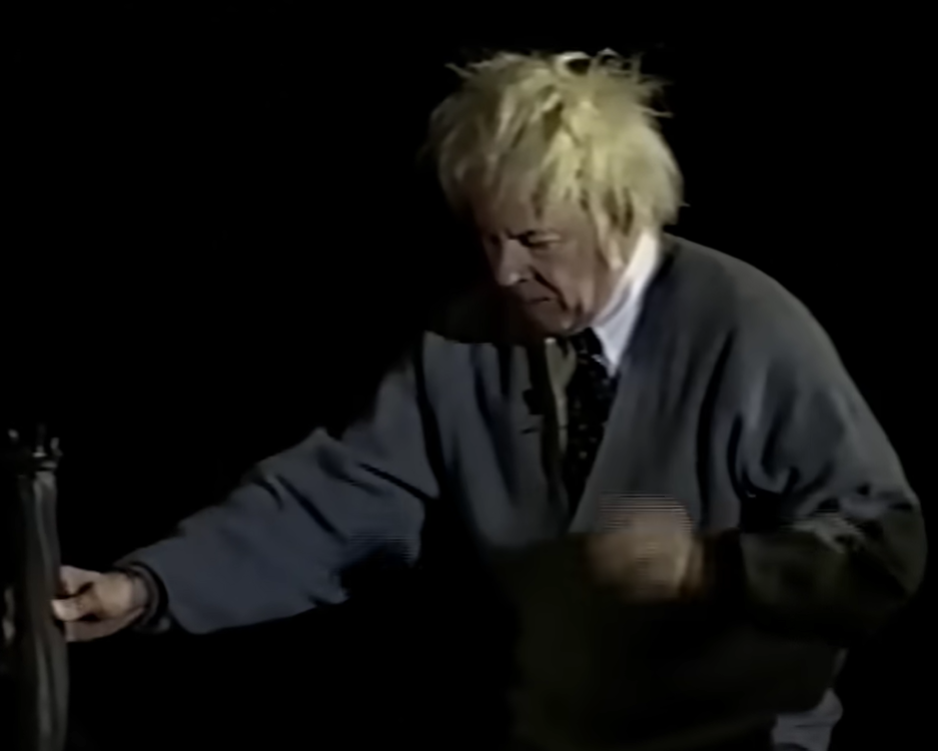
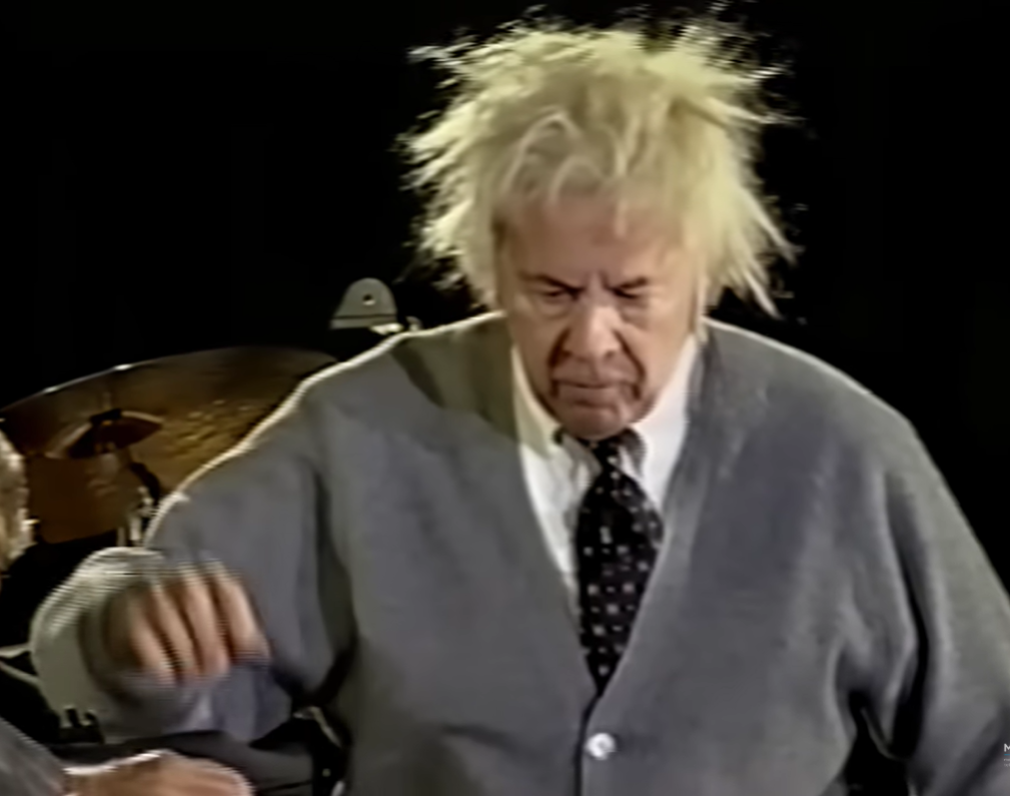
Tim Conway never needed to move fast to get a laugh.
In fact, some of his funniest comedy came from doing the exact opposite.
The slower he moved, the more everyone around him suffered.
And few people suffered better than Harvey Korman.
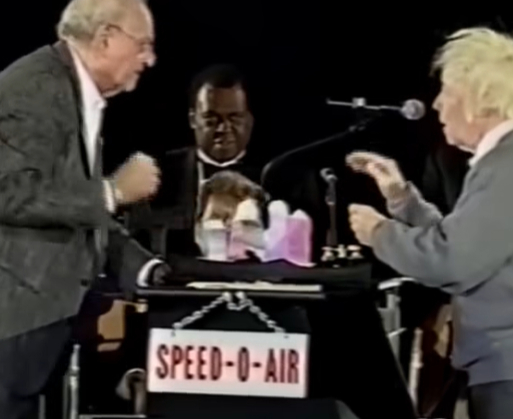
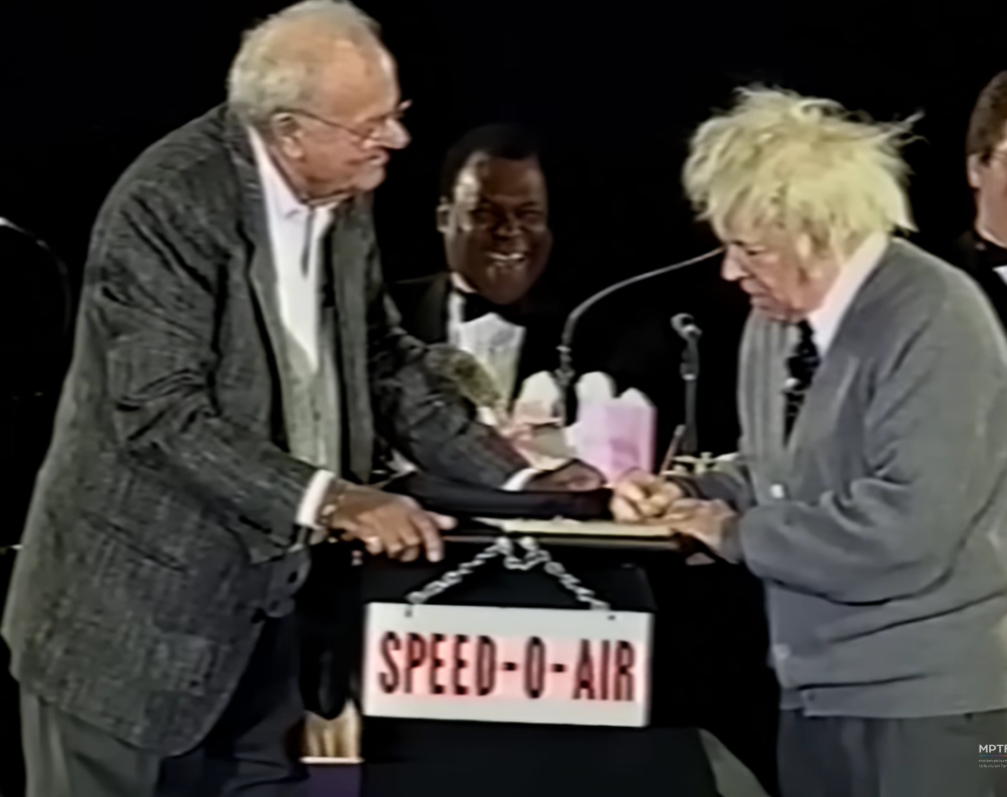
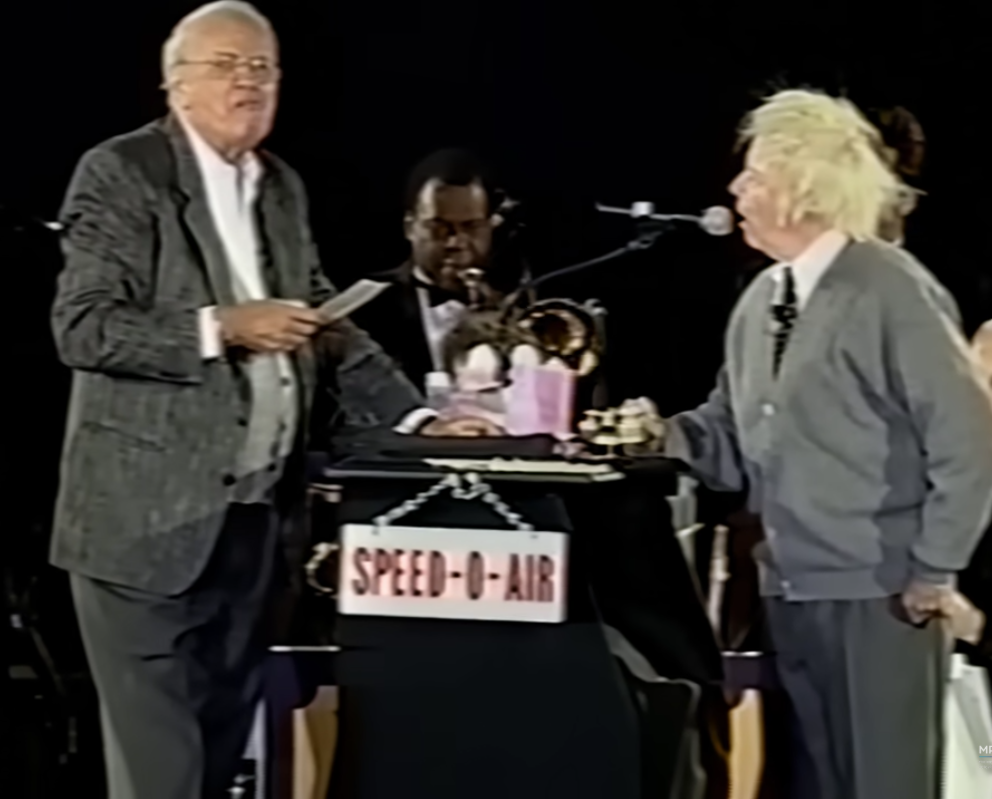
That is exactly what makes their airline sketch at MPTF so funny.
Harvey plays a passenger in a hurry.
Tim plays the airline employee standing between Harvey and his flight.
The goal should be simple.
Buy a ticket to New York.
Catch the noon flight.
Leave.
Instead, Tim turns every tiny step into a crisis.
And the more Harvey tries to speed things up, the slower Tim seems to become.
That contrast drives the entire sketch.
Harvey enters already impatient.
He has somewhere to be.
He needs the 12:00 flight.
He has important documents to deliver.
He does not want conversation.
He does not want jokes.
He just wants a ticket.
Tim immediately gives him everything except speed.
Harvey says New York.
Tim repeats New York.
Harvey says today.
Tim repeats today.
Harvey says he is in a hurry.
Tim assures him he has come to the right place.
That alone is funny because the audience can already see the opposite.
Nothing about this employee suggests urgency.
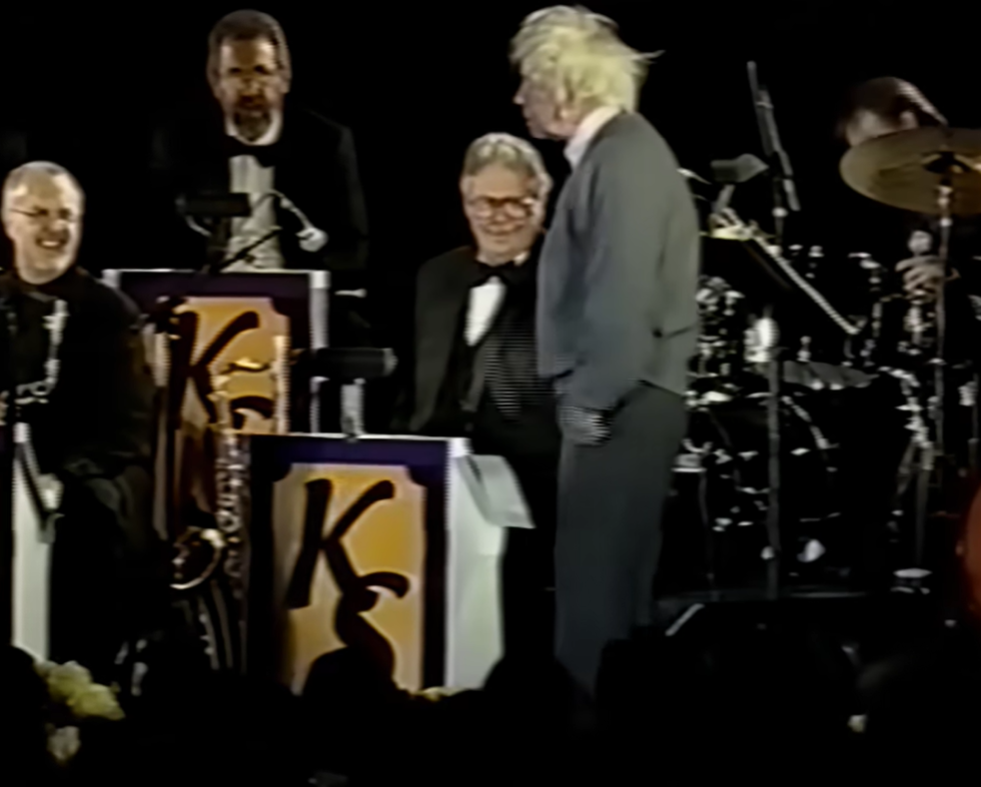
Then Tim proudly introduces the airline motto.
“Speedo Air gets you there.”
That sounds encouraging.
Then comes the second half.
Only God knows where your luggage goes.
Harvey is already trapped.
He cannot even complete a basic transaction without Tim turning it into a routine.
Then the 12:00 flight becomes a problem.
Harvey asks for the 12:00 flight to New York.
Tim decides he needs to look up what time the 12:00 flight leaves.
Harvey cannot believe what he is hearing.
It is the 12:00 flight.
It leaves at 12.
Tim is not convinced.
He checks.
Then explains that the 12:00 flight leaves at noon.
Harvey points out that noon and 12:00 are the same thing.
Tim treats that like an unnecessary technicality.
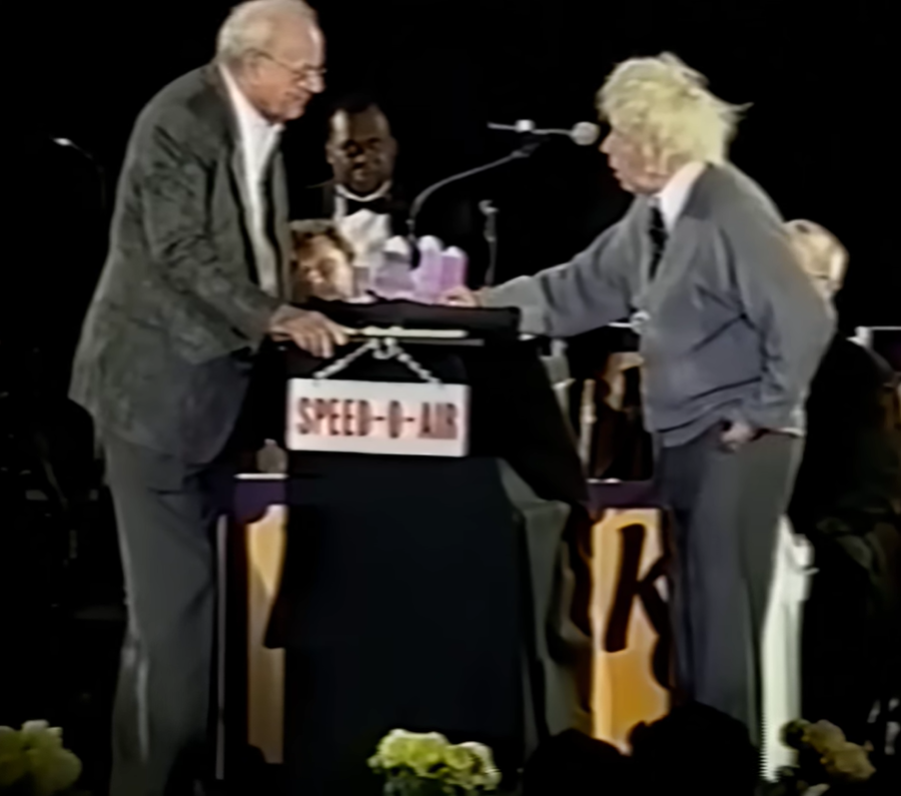
That is the rhythm of the sketch.
Harvey wants facts.
Tim creates confusion.
Harvey wants progress.
Tim creates another step.
And every time Harvey becomes more desperate, Tim becomes calmer.
Then comes the credit card.
Harvey hands it over.
This should take seconds.
Tim makes it feel like an engineering project.
He talks about sliding it.
Zooming it.
Whipping it through the machine.
He keeps trying.
Harvey keeps telling him to hurry.
Nothing changes.
Tim remains slow.
Harvey becomes louder.
The card becomes harder to process.
The entire joke is built around something incredibly small.
One man is in a hurry.
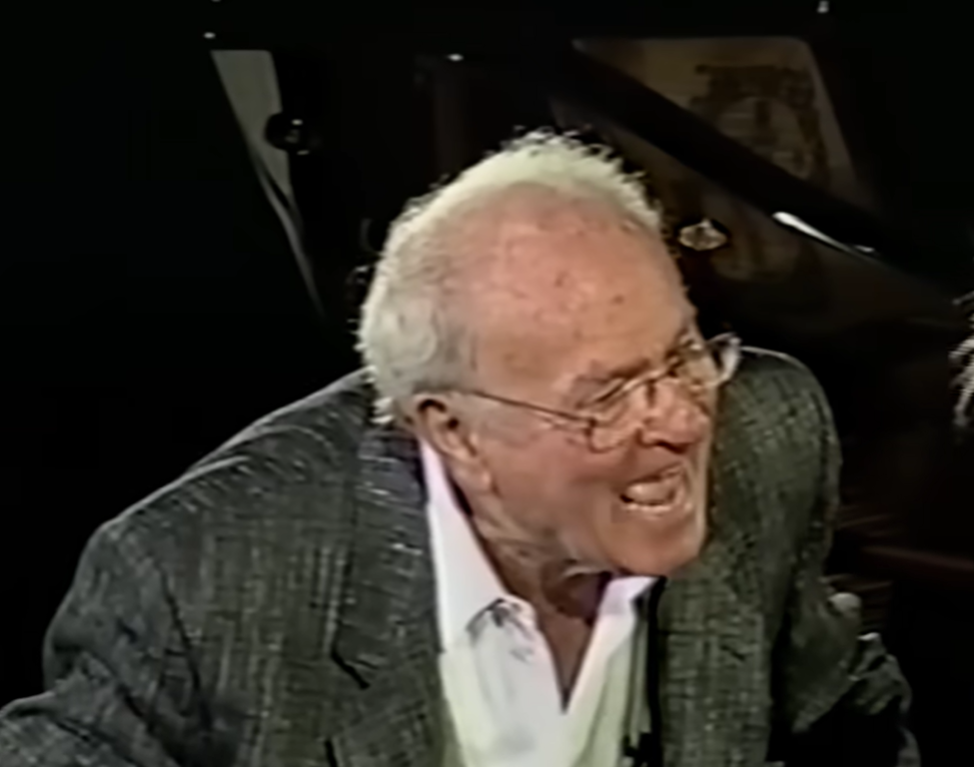
The other man refuses to match his energy.
Tim does not need a complicated punchline.
His timing is the punchline.
Harvey’s frustration keeps doing half the work for him.
Then Tim stops everything to make an announcement.
Harvey does not want another announcement.
Of course Tim makes one anyway.
The words are barely understandable.
Harvey says he did not understand any of it.
Tim calmly tells him that is because he does not listen.
That is a perfect Conway-style reversal.
Harvey is clearly paying attention.
He is paying too much attention.
He is just trapped in a conversation that refuses to make sense.
Then the ticketing process continues.
First class.
Picture ID.
More questions.
More delays.
Tim looks at Harvey’s identification and decides the man in the picture has a beard.
Harvey points out that Tim is holding the ID upside down.
Again, the solution is obvious.
Again, Tim manages to make it complicated.
Then comes the destination stamp.
Harvey wants New York.
Tim stamps “New.”
Now he needs “York.”
Apparently, New York does not exist on one stamp.
Harvey watches as something as basic as printing the destination becomes another obstacle.
Tim considers New Hampshire.
Harvey does not want New Hampshire.
He wants New York.
He has wanted New York since the beginning.
Nothing about his request has changed.
Yet Tim keeps behaving as though every detail is new information.
That is why Harvey’s anger grows so naturally.
He is not angry because one huge disaster occurred.
He is angry because dozens of tiny unnecessary problems keep stacking up.
Then Tim starts asking about the seat.
Window or aisle?
Harvey says it does not matter.
Tim puts him in the middle.
Earphones?
Harvey says yes.
He likes jazz.
Classical music.
Country.
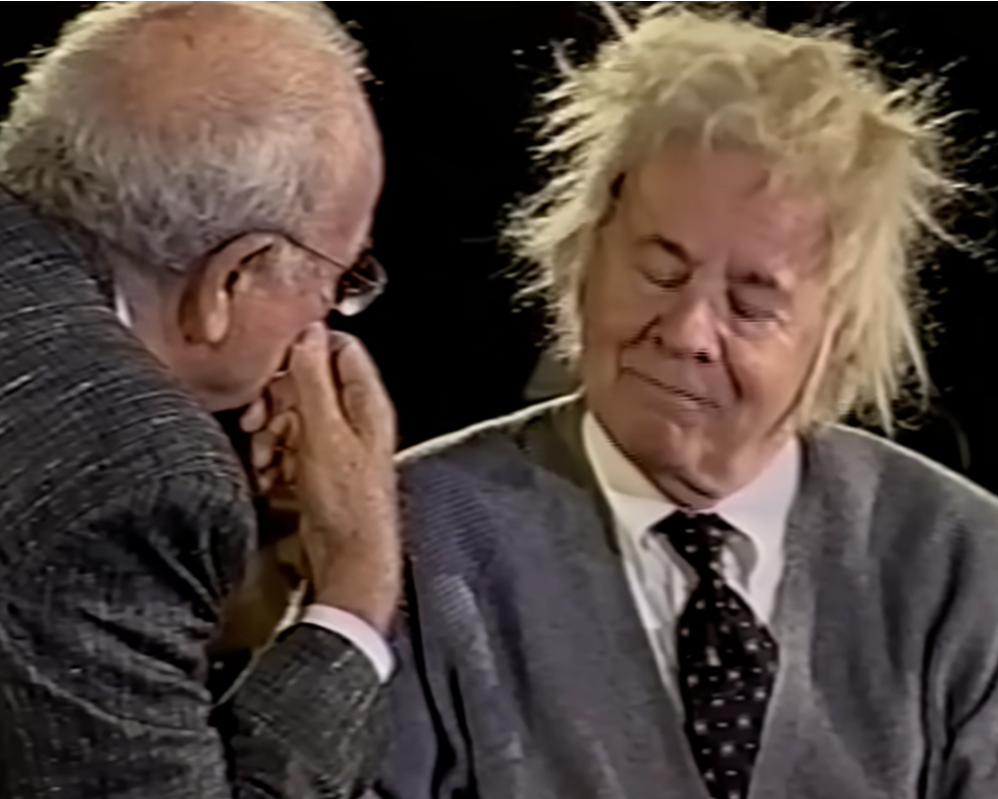
Tim explains that the airline has earphones.
There just is not anything to listen to.
Again, Harvey has walked directly into another useless option.
Then comes the pillow.
Then the toilet.
Tim asks whether Harvey thinks he will use it.
Harvey has no idea.
How could anyone know that in advance?
Tim keeps going.
Maybe?
Number one or number two?
That is when Harvey finally draws a line.
Now Tim has gone too far.
Harvey asks what this is supposed to be.
Some kind of comedy sketch?
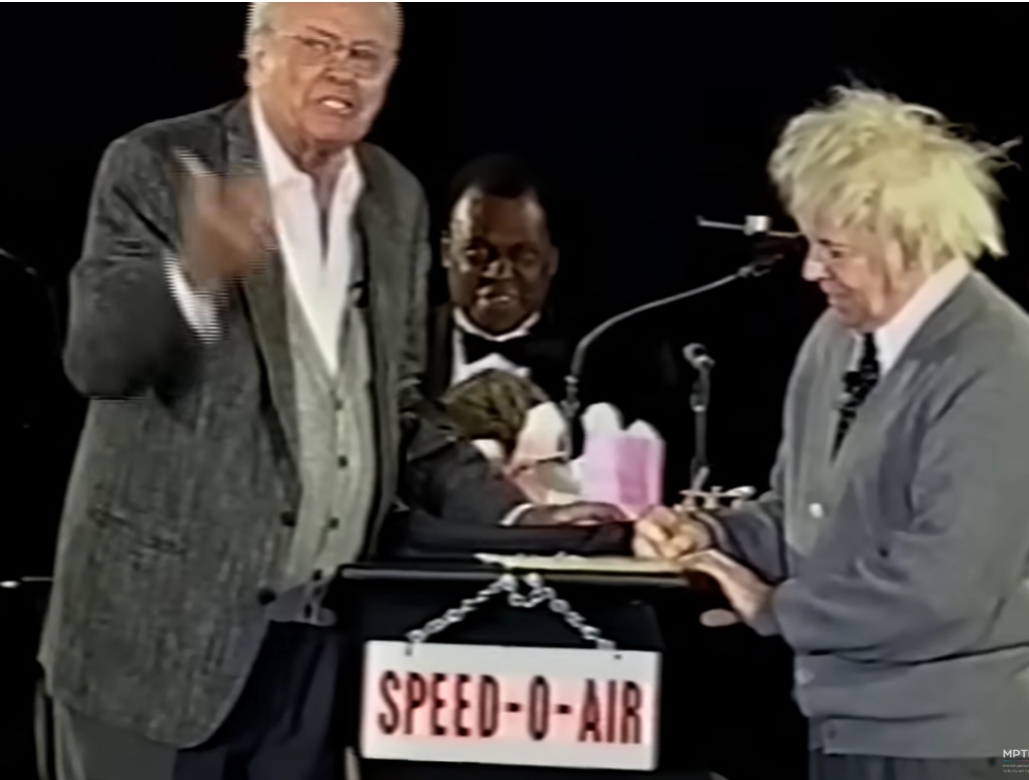
The joke lands because, of course, it is.
And Tim’s answer turns the moment back on Harvey.
Not on his side of the table.
Then the meal choices begin.
Three meals.
On a one-hour flight.
Harvey is surprised.
Deli delight.
Chicken cacciatore.
Stew.
Suddenly, the man who has spent the entire scene screaming about time starts asking questions about the menu.
This is where the chemistry between Conway and Korman becomes even better.
Harvey starts discussing the chicken.
Is it prepared before the flight?
Will microwaving dry it out?
What comes with it?
Then he asks about the stew.
Is it Irish?
Beef?
He explains his allergies.
His cholesterol.
For a brief moment, Harvey is now the one slowing everything down.
Tim listens.
Then delivers one of the sharpest lines in the sketch.
Harvey asks what makes the deli so delightful.
Tim answers that what makes it delightful is that there are no ad-libs in it.
That line breaks the illusion just enough to remind the audience exactly who they are watching.
Tim Conway and Harvey Korman.
Two performers who knew each other’s timing so well that even a small deviation could become part of the joke.
Harvey admits he took a shot.
It missed.
Tim moves on.
But time is still disappearing.
Harvey still has a flight to catch.
And Tim still has paperwork.
Then comes the final sticker.
Tim has to lick it.
Even this becomes difficult.
The sticker ends up in his mouth.
Harvey is nearly finished.
He has been asking Tim to hurry from the beginning.
Every step has taken too long.
FULL VIDEO:
Every question has created another question.
Every delay has made the situation worse.
Then Tim announces he has to make one more announcement.
Harvey begs him not to.
Too late.
The announcement begins.
The 12:00 flight to New York…
has just left.
That is the perfect ending.
Harvey spent the entire sketch warning Tim that time mattered.
He said he was in a hurry.
He repeated that he needed the noon flight.
He tried to rush the credit card.
The stamp.
The ID.
The seat.
The food.
Everything.
Tim never changed speed.
And in the end, the one thing Harvey feared most actually happened.
He missed the flight.
Not because he arrived late.
Not because the airport was closed.
Not because the plane was delayed.
Because Tim Conway took too long to sell him a ticket.
That is why the routine works so well.
The premise is almost absurdly simple.
One man moves slowly.
The other man cannot stand it.
But with Tim Conway and Harvey Korman, that is enough.
Conway’s calmness makes Korman’s frustration bigger.
Korman’s frustration makes Conway’s slowness funnier.
They feed each other without needing complicated jokes.
Tim does not have to chase the laugh.
He simply waits.
Harvey fills the silence with impatience.
And the audience knows exactly what is coming.
The more Harvey rushes him—
the slower Tim becomes.
By the time that plane leaves without Harvey, the punchline feels inevitable.
And somehow, that makes it even funnier.