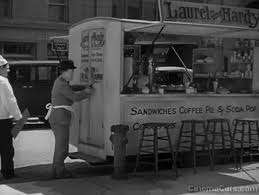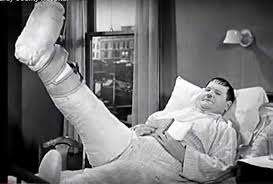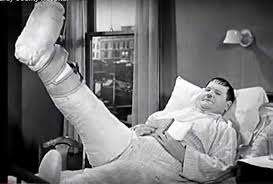
Few comedy teams in Hollywood history have created a style as recognizable, timeless, and genuinely joyful as Laurel and Hardy. With their expressive faces, perfect comic timing, and unforgettable partnership, Stan Laurel and Oliver Hardy turned ordinary situations into hilarious disasters. One of their most beloved short films is “County Hospital,” released in 1932, a classic example of their unique brand of slapstick comedy. Set around a hospital visit that quickly becomes much more complicated than expected, the film combines physical comedy, friendship, misunderstanding, and escalating chaos into an entertaining short that remains memorable decades later.
“County Hospital” is a wonderful example of how Laurel and Hardy could take a simple premise and transform it into a series of increasingly ridiculous situations. The story begins with Oliver Hardy recovering in a hospital after an accident. Stan Laurel, playing his loyal but incredibly troublesome friend, comes to visit him. Stan’s intentions are good, but as audiences familiar with the duo already know, good intentions rarely lead to peaceful results when Stan is involved.
The contrast between Stan and Ollie is one of the central reasons their comedy works so well. Oliver Hardy often presents himself as the sophisticated, confident, and responsible member of the partnership. He wants things to be orderly and under control. Stan Laurel, on the other hand, has an innocent and childlike personality. He frequently misunderstands situations and reacts to problems in ways that make them even worse. Their personalities naturally create conflict, but they also create an affectionate friendship that makes audiences care about both characters.
In “County Hospital,” Oliver’s condition should make him especially careful. Instead, Stan’s visit quickly turns into another comic adventure. Stan tries to help his friend, but his clumsy behavior causes one problem after another. What begins as a simple hospital visit becomes a demonstration of the duo’s extraordinary ability to create chaos from almost nothing.
The hospital setting provides an excellent environment for physical comedy. Hospitals are traditionally associated with quietness, cleanliness, and careful behavior. Laurel and Hardy completely disrupt that atmosphere. Their presence turns a place of recovery into a playground for slapstick. Beds, medical equipment, doors, furniture, and other ordinary objects become potential sources of comedy.
One of the most effective aspects of the film is its pacing. Laurel and Hardy understood that physical comedy depends heavily on timing. A gesture that lasts too long can lose its impact, while a movement that happens too quickly can be difficult to appreciate. The duo’s performances are carefully constructed around pauses, reactions, and sudden bursts of action. Stan’s blank expressions and Ollie’s increasingly frustrated reactions often communicate more than dialogue ever could.
Stan Laurel’s performance is particularly important to the film’s charm. His character does not intentionally cause trouble. Instead, he seems genuinely confused by the consequences of his actions. This innocence makes his mistakes funnier because audiences can see that Stan is not trying to be destructive. He simply does not understand why everything keeps going wrong.
Oliver Hardy provides the perfect reaction. His famous expressions of frustration, disbelief, and embarrassment become part of the comedy itself. He often looks directly at the audience as if silently asking how he ended up in such a ridiculous situation. These reaction shots are among the most recognizable elements of Laurel and Hardy’s style.
The film also demonstrates the importance of escalation in classic slapstick. A successful slapstick sequence usually begins with a small problem. That problem creates another problem, which creates another, until the situation becomes completely absurd. Laurel and Hardy were masters of this technique.
In “County Hospital,” the comedy gradually expands beyond the original situation. The characters are unable to solve a problem without creating a larger one. Each attempt to restore order produces even more disorder. This creates a rhythm that keeps the audience anticipating what could possibly go wrong next.
Although the film contains plenty of physical comedy, “County Hospital” is not simply a collection of random accidents. There is a strong sense of character behind the humor. Stan and Ollie genuinely care about each other. Even when Oliver becomes angry with Stan, their friendship remains at the heart of the story. This emotional connection gives their comedy a warmth that distinguishes them from many other performers of the silent and early sound eras.
The early 1930s were an important period for Hollywood comedy. Silent-film traditions were still strongly influencing performers, while talking pictures were becoming increasingly popular. Laurel and Hardy successfully combined both approaches. Their films used dialogue and sound effects, but their comedy remained highly visual. A viewer does not need to understand every spoken line to appreciate the humor. Facial expressions, body language, movement, and timing communicate the story.
This universal quality is one reason their films continue to attract audiences today. “County Hospital” can be enjoyed by viewers who have never experienced the original theatrical environment of the 1930s. The situations may be old-fashioned, but the fundamental humor is surprisingly modern. Watching someone attempt to fix a problem and accidentally make everything worse is a comedy concept that remains universally understandable.
Another fascinating aspect of “County Hospital” is the way the film reflects the era in which it was produced. The hospital environment, clothing, automobiles, interiors, and filmmaking techniques provide a glimpse into everyday life and popular entertainment during early 1930s America. While the film is primarily designed to make audiences laugh, it also serves as a small piece of cinematic history.
Laurel and Hardy’s popularity during this period was enormous. Their partnership had developed into one of the most successful comedy acts in the world. Audiences recognized their characters immediately. Stan’s bowler hat, innocent personality, and peculiar mannerisms contrasted perfectly with Ollie’s elegant appearance, proud attitude, and signature tie. Together, they created a visual identity that was as important as any dialogue.
Their influence on comedy can still be seen today. Many modern comedians and filmmakers have borrowed elements of their approach: the straight man and fool dynamic, escalating physical disasters, reaction shots, awkward misunderstandings, and carefully choreographed destruction. Their work helped establish conventions that became fundamental to screen comedy.
“County Hospital” is particularly enjoyable because it captures Laurel and Hardy at a moment when their partnership was fully developed. Their chemistry feels effortless. They understand exactly how to react to each other, and their movements often appear almost musical. A pause, glance, or small gesture can trigger an entire sequence of laughter.
The film also reminds us that great comedy does not necessarily require complicated stories. Sometimes the strongest comedy comes from two characters simply trying to accomplish something ordinary. The humor emerges from their personalities and the increasingly impossible circumstances surrounding them.
More than ninety years after its release, “County Hospital” remains an entertaining example of classic Hollywood slapstick. Its humor is physical, visual, and character-driven, allowing it to cross generations and cultural boundaries. Stan Laurel and Oliver Hardy created characters who could frustrate each other, embarrass each other, and cause complete chaos, yet still remain devoted friends.
For fans of classic cinema, vintage Hollywood, and old-school slapstick, “County Hospital” offers a wonderful opportunity to experience the comic genius of Laurel and Hardy. The film demonstrates why their partnership has survived long after the era in which they performed. Their comedy is built on something simple but powerful: personality, timing, imagination, and friendship.
Ultimately, “County Hospital” is more than an old comedy short. It is a snapshot of a legendary partnership at work. Stan and Ollie take a seemingly ordinary situation and turn it into an unforgettable chain of comic disasters. Their expressions, movements, misunderstandings, and perfectly timed reactions continue to entertain audiences because the basic ingredients of their humor remain timeless.
Whether you are discovering Laurel and Hardy for the first time or returning to one of their classic shorts, “County Hospital” is a delightful reminder of why these two comedians became icons of Hollywood comedy. Their world may belong to the 1930s, but their laughter still feels remarkably alive today.