Some comedy scenes become memorable because every joke is perfectly written, every movement is carefully rehearsed, and every performer delivers exactly what the script requires.
Other scenes become legendary because everything falls apart.
On The Carol Burnett Show, some of the most beloved moments happened when the cast could no longer maintain their serious expressions. A strange voice, an unexpected remark, or one ridiculously long story could destroy an entire sketch. The actors would attempt to continue, but their shaking shoulders, hidden smiles, and helpless laughter revealed that the performance had gone completely off the rails.
Instead of ruining the comedy, those mistakes made it unforgettable.
That was one of the special pleasures of watching Carol Burnett, Harvey Korman, Tim Conway, Vicki Lawrence, and the rest of the talented cast. Viewers were not only watching fictional characters. They were watching skilled performers challenge one another, surprise one another, and occasionally push each other beyond the point of recovery.
The audience could feel the danger in every pause.
Would they finish the scene?
Would Harvey Korman survive another Tim Conway improvisation?
Would Carol Burnett manage to say her next line without laughing?
The uncertainty made every moment more exciting.
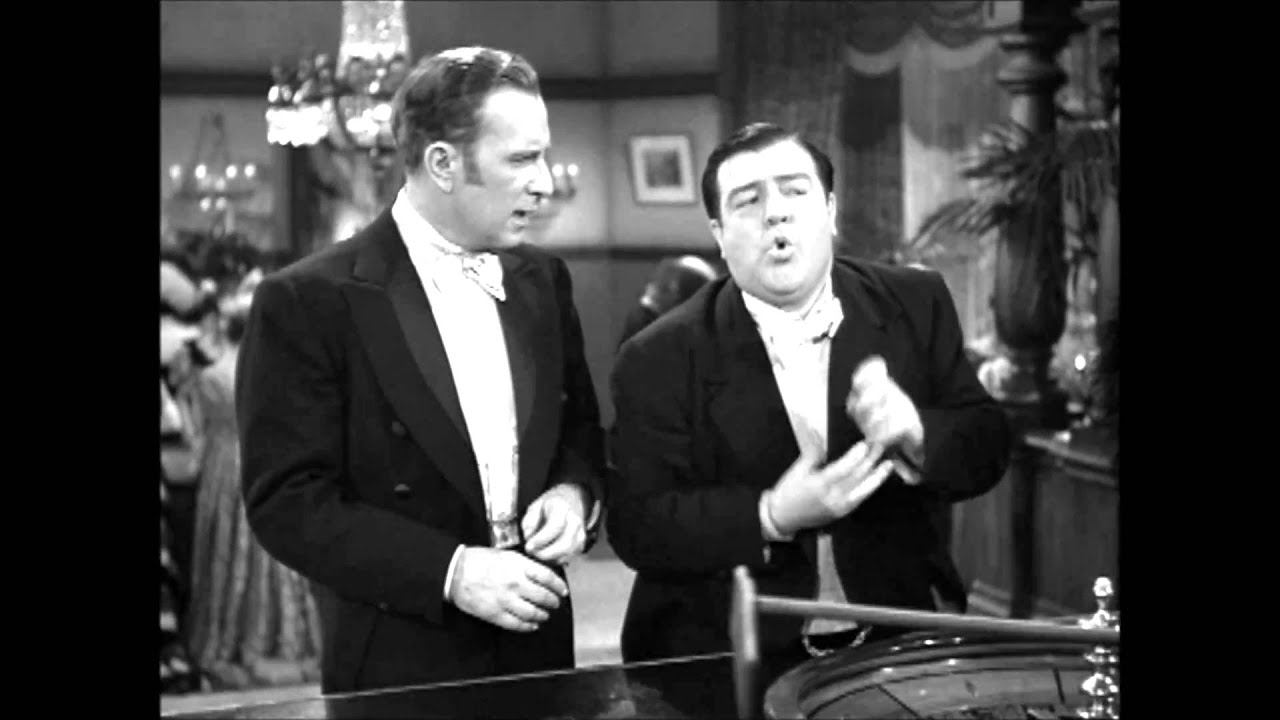
In one classic scene, a stern military general begins speaking in a voice so unexpectedly soft and absurd that the seriousness of the character becomes impossible to maintain. The contrast is what makes it work. A general is supposed to command a room with authority. His voice should be powerful, confident, and intimidating.
Instead, the performer lowers his voice into an almost ridiculous whisper.
The other actors immediately realize what is happening. They try to remain disciplined. They avoid eye contact. Their mouths tighten as they fight back smiles. But the strange voice continues, and every new line makes the situation more difficult.
The audience starts laughing not only at the general, but also at the visible struggle happening around him.
That second layer of comedy was one of the show’s greatest strengths.
The scripted joke might begin the laughter, but the cast’s reaction would multiply it. The viewers knew these were professional entertainers who had rehearsed the scene. Watching them lose control made the joke feel even more powerful.
Then there was Mama.
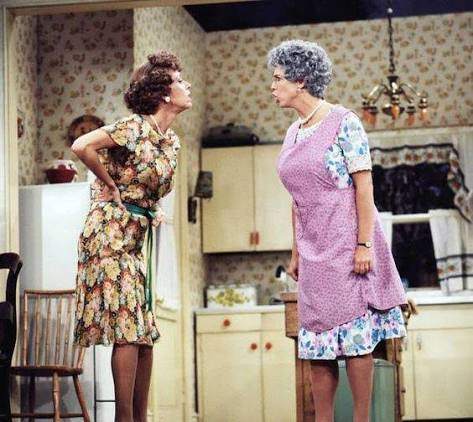
Vicki Lawrence’s Mama could destroy a room with one sentence. She did not need a long speech or an elaborate physical routine. Her comedy was sharp, direct, and delivered with the confidence of someone who believed every word she said.
Mama was often surrounded by chaos, but she rarely appeared confused by it. Instead, she watched everyone else behave foolishly and waited for the perfect opportunity to strike.
When her remark finally arrived, it could catch the entire cast off guard.
That was especially dangerous during scenes involving Tim Conway.
Conway was famous for stretching a simple idea far beyond any reasonable limit. He could take a story that should have lasted thirty seconds and transform it into several minutes of increasingly ridiculous detail. Every pause became longer. Every movement became slower. Every new development became more absurd.
Yet he always maintained a completely serious expression.
That seriousness was the weapon.
Conway did not laugh at his own performance. He behaved as if his story were the most important information anyone had ever shared. The more ridiculous the details became, the more committed he appeared.
His fellow performers were left defenseless.
The famous elephant story remains one of the clearest examples of Conway’s ability to dismantle an entire cast.
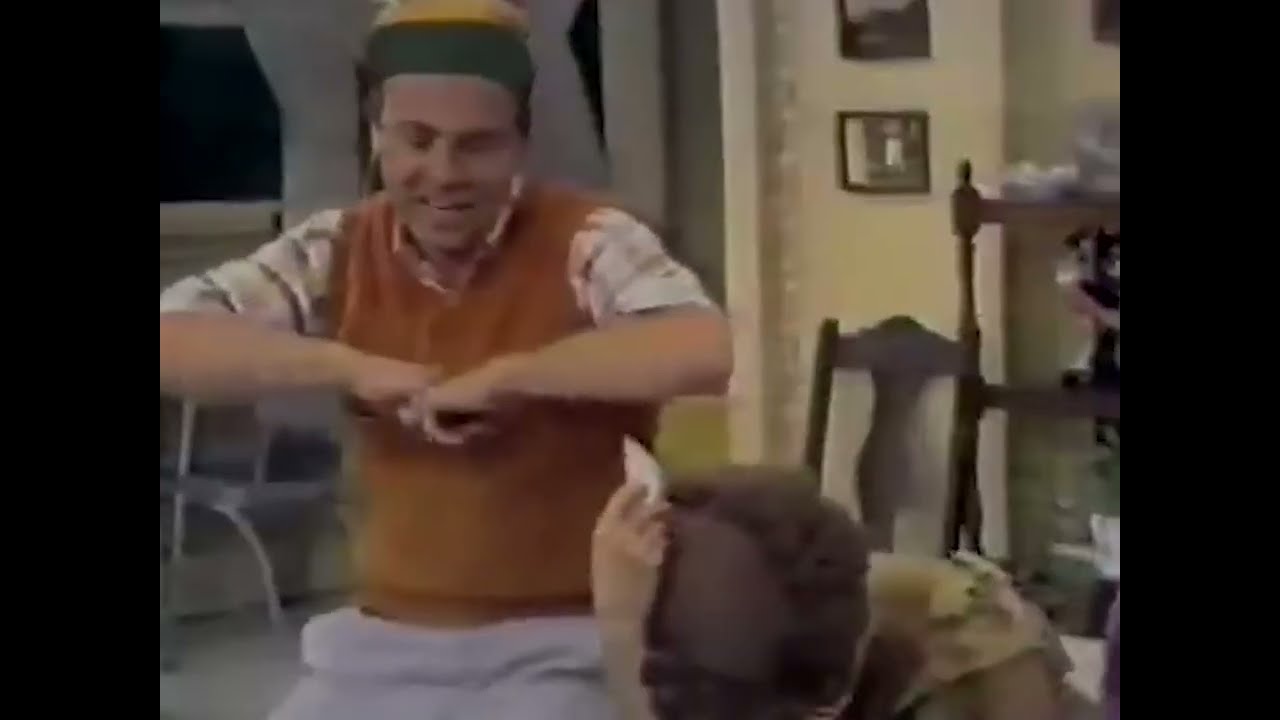
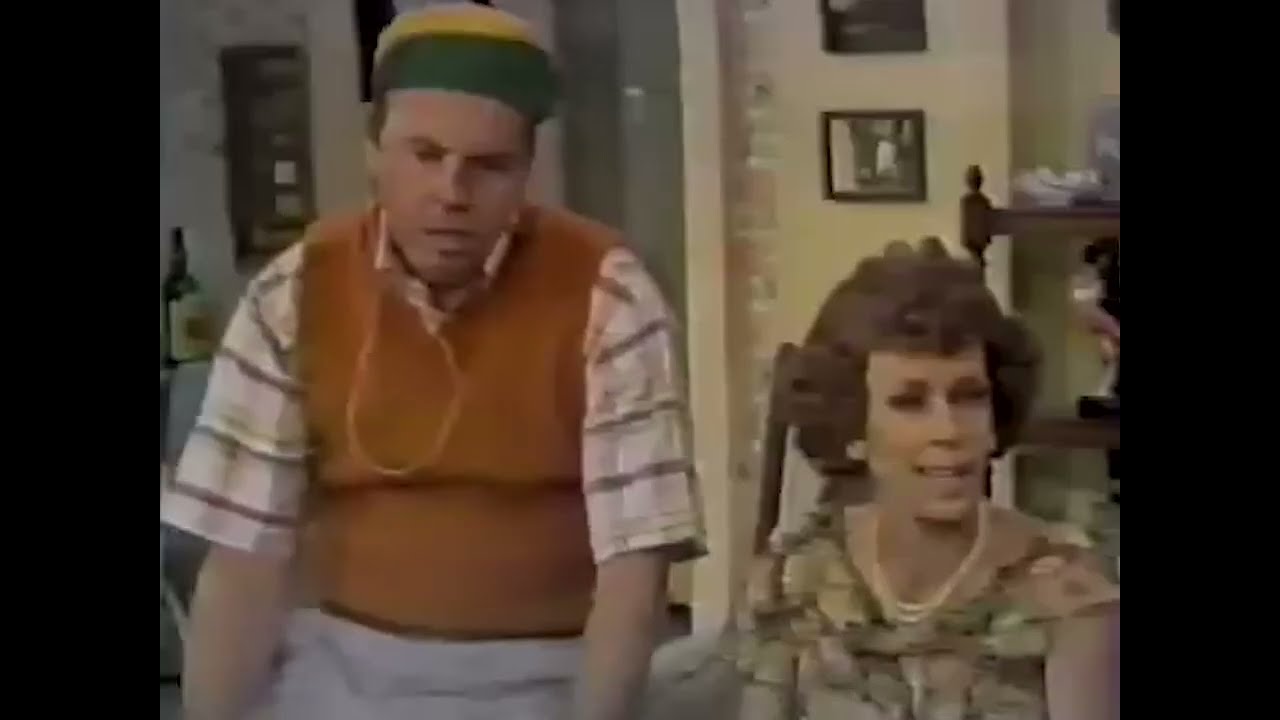
The setting was simple. The actors were seated together as members of a troubled family, attempting to continue a scene. Conway’s character began telling a story about elephants. There was no need for an elaborate set, dramatic music, or complicated visual effects.
There was only Conway, a story, and an audience slowly realizing that the sketch might never return to the script.
He stretched every detail.
He paused at unexpected moments.
He added strange descriptions and unnecessary information. Each time the cast appeared ready to recover, he introduced another element to the story.
Carol Burnett tried to remain composed. Harvey Korman struggled beside her. The other performers fought to keep their faces under control, but Conway continued with the patience of a man who had all night.
The laughter grew louder.
Soon, the cast was no longer simply acting amused. They were genuinely losing control. Heads dropped. Bodies shook. Hands covered faces. The performers avoided looking directly at Conway because eye contact would have ended any chance of continuing the scene.
The audience understood that they were witnessing something spontaneous.
Conway had taken control of the room without raising his voice or leaving his chair. He was moving at his own pace, refusing to rescue his castmates from the situation.
Then Vicki Lawrence, still in character as Mama, responded with a remark so sharp and unexpected that even Conway could not protect himself.
The man who had spent the scene breaking everyone else suddenly broke too.
That reversal made the moment perfect.
For several minutes, Conway had been the source of chaos. He was the calm center of the disaster, watching everyone around him collapse. Mama’s response turned the joke back on him.
The laughter became complete.
At that point, there was no longer a meaningful difference between the characters and the performers. Everyone was simply trying to breathe.
Moments like that explain why The Carol Burnett Show remains so beloved decades after its original broadcasts. The program was filled with talented writers, memorable characters, excellent costumes, clever parodies, and carefully constructed sketches.
But its greatest magic often came from human connection.
The cast trusted one another enough to take risks. They understood how to support a scene, but they also knew when to challenge each other. Conway could add an unexpected detail because he knew his castmates would attempt to follow him. Lawrence could deliver a devastating response because she understood the rhythm of the group.
Their laughter never felt cruel.
It felt joyful.
Viewers were invited to share that joy. When Carol covered her face or Harvey struggled to speak, the audience did not feel that the performers had failed. It felt as though the curtain had briefly opened, allowing everyone to see the real friendships beneath the characters.
The cast members were having fun, and that fun was contagious.
Modern television comedy is often edited with extraordinary precision. Scenes can be filmed repeatedly. Mistakes can be removed. Pauses can be shortened, reactions can be rearranged, and every second can be controlled.
The Carol Burnett Show came from an era when the risk remained visible.
A performer could lose control in front of a live audience, and the moment could become part of television history. The imperfections were not hidden. They were celebrated.
That is why these scenes still feel fresh.
We may know the punchlines. We may have seen the elephant story many times. We may already know exactly when Carol will begin laughing or when Mama will deliver her unforgettable response.
Yet anticipation does not weaken the comedy.
It strengthens it.
We watch the cast attempt to survive, knowing they have almost no chance. We see the smiles beginning to form before the laughter explodes. We recognize the instant when a professional performance becomes genuine human delight.
For a few wonderful minutes, the script no longer matters.
The characters disappear, the performers surrender, and everyone in the studio becomes part of the same uncontrollable laugh.
Those moments were never polished, predictable, or fixable.
They were something better.
They were real.
And that spontaneous joy is why The Carol Burnett Show can still make audiences laugh as though they are watching it for the very first time.