HT.The “You’re the One That I Want” Scene — Is It the Greatest Musical Moment in Cinema History, or Just a Beautiful Memory for One Generation?
Some movie moments fade.
Others become permanent fixtures in the cultural memory.
The final carnival scene from Grease (1978), when John Travolta’s Danny Zuko and Olivia Newton-John’s Sandy Olsson launch into “You’re the One That I Want,” sits firmly in the second category. Nearly fifty years later, people still argue about what it really represents. Is it the purest, most electric musical climax ever put on film? Or is it simply a perfect piece of 1970s nostalgia that feels bigger than it is because so many of us grew up with it?
The debate itself is part of the fun.
The Scene That Still Stops People Cold
FULL VIDEO
https://www.youtube.com/watch?v=bkWevngKTcw
By the time the carnival sequence arrives, the audience has already watched Danny and Sandy struggle through the classic high-school push-and-pull. Then Sandy appears in black leather, cigarette in hand, and the entire energy of the film shifts. Danny’s reaction is pure, unfiltered shock and delight. Within seconds they are circling each other, trading lines, and moving with a playful confidence that feels completely lived-in.
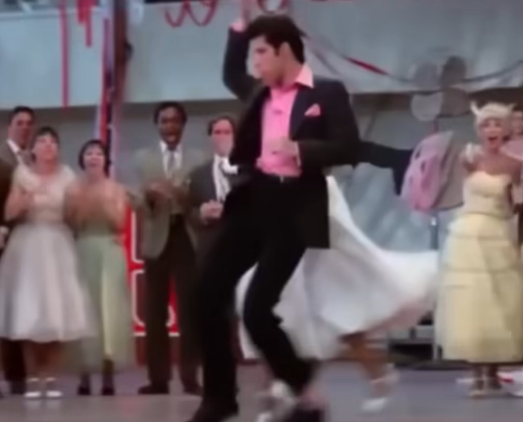
The choreography is deceptively simple. There are no gravity-defying lifts or complex group formations. Instead there is chemistry, timing, and the unmistakable sense that two performers are having a blast. Travolta slides and spins with the same physical ease he brought to Saturday Night Fever. Newton-John matches him step for step, her transformation from soft-spoken newcomer to confident partner complete.
https://www.youtube.com/watch?v=bkWevngKTcw
The song itself was written specifically for the movie and recorded quickly. It was never meant to carry the weight of legend. Yet it does. The call-and-response structure, the rising energy, and the final joyful declaration all land with a clarity that modern musical numbers often chase but rarely catch.
The Case for “Greatest”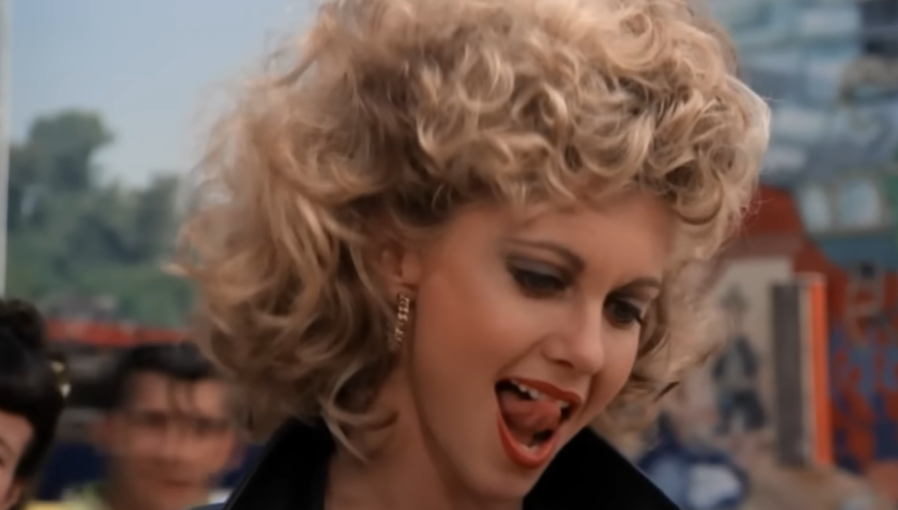
Supporters of the “greatest” argument point to several lasting strengths.
First, the scene resolves the central tension of the story without heavy dialogue. Character growth, romantic payoff, and pure entertainment arrive together in under four minutes. That efficiency is rare.
Second, the performances feel authentic. Travolta and Newton-John were not just hitting marks; they were playing off each other in real time. The slight improvisational quality — the smiles, the glances, the physical teasing — gives the number a lived-in quality that studio-perfect routines sometimes lack.
https://www.youtube.com/watch?v=bkWevngKTcw
Third, the cultural afterlife is undeniable. The scene has been referenced, recreated, and celebrated across decades. It survives changes in fashion, technology, and taste. Very few musical moments achieve that kind of staying power.
For many viewers who first saw Grease as teenagers or young adults, the sequence still delivers the same rush it did in 1978. That emotional consistency is powerful evidence in the “greatest” column.
The Case for “Beautiful Memory”

The other side of the argument is equally reasonable. Critics note that Grease is a product of its time — a glossy, high-energy fantasy of 1950s youth filtered through late-1970s sensibility. The leather-and-cigarette makeover, the carnival setting, even the song’s bright pop sound all belong to a specific cultural moment.
Some modern viewers find the gender dynamics dated. Others argue that later musicals achieved greater technical sophistication or emotional depth. From this perspective, “You’re the One That I Want” is less an eternal masterpiece than a perfect snapshot of a particular era’s idea of romance and cool.
Nostalgia, they say, is doing a lot of the heavy lifting. People who grew up with the movie project their own youth onto the scene, which makes it feel more profound than a pure formal analysis might support.
Both sides have a point. The scene is both a genuine cinematic high point and a deeply personal memory for millions of people.
https://www.youtube.com/watch?v=bkWevngKTcw
Why the Argument Still Matters
https://www.youtube.com/watch?v=bkWevngKTcw
What makes the debate interesting is that it rarely turns bitter. Fans on both sides tend to agree on the basics: the chemistry is real, the energy is infectious, and the number still works. The disagreement is mainly about scale — whether this is the absolute peak of the movie-musical form or simply one of the most beloved peaks.
That kind of affectionate disagreement is healthy. It keeps the conversation alive. It also keeps new viewers coming to the film, curious to decide for themselves.
The Enduring Pull
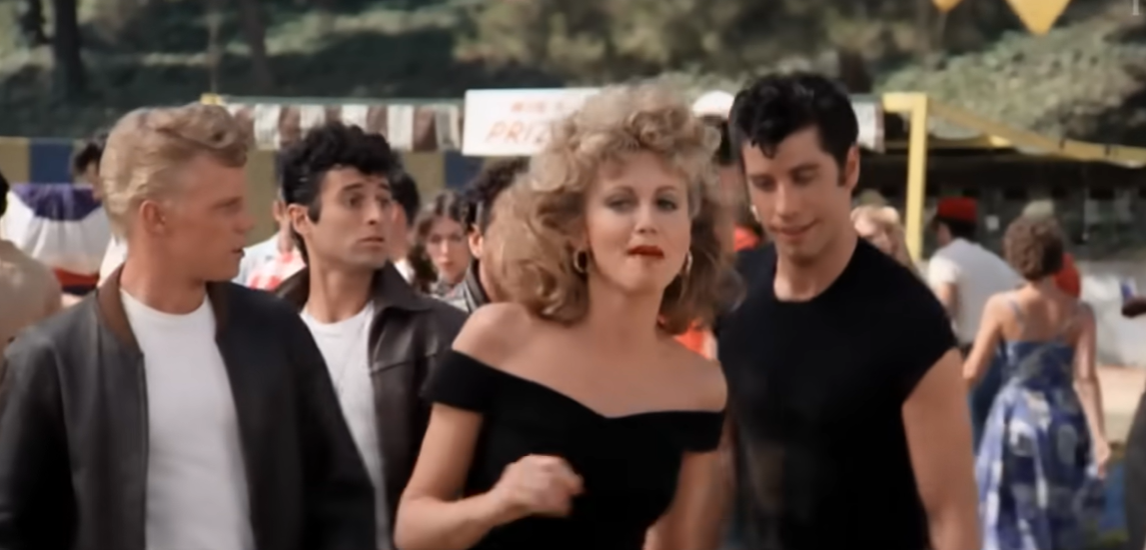
Watch the scene again today and certain things remain undeniable. Travolta still moves like someone who was born knowing how to own a dance floor. Newton-John still radiates a confident playfulness that feels earned rather than performed. The carnival lights, the crowd, the rising music — all of it still clicks into place with satisfying precision.
Whether you rank it as the greatest musical moment in cinema or simply one of the most joyful, the result is the same: you end up smiling. You end up tapping your foot. And you end up understanding why the argument has lasted this long.
https://www.youtube.com/watch?v=bkWevngKTcw
So where do you stand?
Is “You’re the One That I Want” the high-water mark of movie musicals, or is it a cherished memory that feels larger because it belongs to your own past?
There is no wrong answer. The only requirement is that you watch it one more time before you decide.
Share your take in the comments. The conversation is half the fun.
https://www.youtube.com/watch?v=bkWevngKTcw