https://www.youtube.com/watch?v=6_I3NuEa9PQ
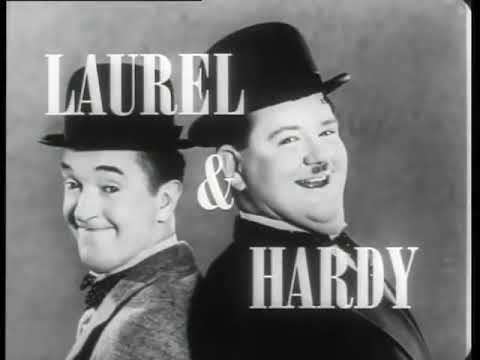
Imagine being trapped aboard an old ship with Stan Laurel and Oliver Hardy. The sea is quiet, the deck creaks beneath your feet, strange shadows move in the darkness, and rumors of ghosts fill every corner of the vessel. It sounds like the perfect setup for a frightening adventure—but when Laurel and Hardy are involved, fear quickly gives way to laughter. Their 1934 short film The Live Ghost transforms a haunted-ship mystery into one of the funniest adventures of Hollywood’s Golden Age.
The story begins with a gruff sea captain desperate to assemble a crew for his supposedly haunted ship. Sailors refuse to sign on because they believe the vessel is cursed, leaving the captain with only one solution: recruit the two most unlikely sailors imaginable—Stan Laurel and Oliver Hardy. From the moment the pair arrive, it’s obvious that nothing will go according to plan.
Stan and Ollie have never been known for their bravery, and life aboard a haunted ship certainly doesn’t improve their confidence. Every unusual sound becomes a reason to panic. Every shadow looks suspicious. Every strange movement convinces them that something supernatural is about to happen. Yet, as always, their greatest enemy isn’t a ghost—it’s their own endless ability to turn ordinary situations into complete chaos.
One of the funniest running gags in the film revolves around the word “ghost.” The captain has become so frustrated by the crew’s superstitions that anyone who dares mention ghosts is punished immediately. Unfortunately for Stan and Ollie, avoiding the forbidden word proves almost impossible. Their innocent conversations repeatedly lead them into trouble, creating a series of hilarious misunderstandings that grow funnier with every scene.
The haunted atmosphere provides the perfect backdrop for Laurel and Hardy’s legendary slapstick. Narrow hallways, dark cabins, swinging ropes, rolling barrels, and unstable decks become playgrounds for physical comedy. Every attempt to solve a problem somehow creates three new ones. Their efforts to appear brave usually end with both of them running in opposite directions, colliding into one another, or accidentally causing even greater confusion.
Stan Laurel’s performance is filled with his trademark innocence. His wide-eyed expressions, nervous reactions, and childlike curiosity make every frightening situation seem both believable and incredibly funny. Stan never tries to be a hero. Instead, he reacts exactly as many ordinary people might when faced with something mysterious—only with far more exaggerated results.
Oliver Hardy provides the perfect contrast. He desperately wants to appear calm, sensible, and in control. Yet every plan he devises quickly falls apart thanks to Stan’s innocent misunderstandings or simply bad luck. Hardy’s famous slow burn, followed by his unforgettable glance toward the audience, remains one of the greatest comic trademarks in cinema history. Those knowing looks invite viewers to share in his frustration while making the situation even more amusing.
The ship itself almost becomes another character in the story. Its creaking wooden decks, dimly lit corridors, cargo holds, and mysterious corners create exactly the kind of eerie setting audiences expect from a ghost story. Yet instead of relying on genuine horror, the film uses these elements to build anticipation for perfectly timed comic disasters. Every shadow promises a scare—but usually delivers a laugh instead.
One particularly memorable aspect of The Live Ghost is how cleverly it blends suspense with comedy. Rather t