There are few comedians in film history who could turn an ordinary situation into unforgettable entertainment quite like Stan Laurel. In one of his most delightful restaurant-themed comedy performances, Laurel demonstrates that even something as simple as dining at an elegant restaurant can become a whirlwind of misunderstandings, awkward encounters, and laugh-out-loud moments. Decades after it was first released, this classic scene continues to entertain audiences of all ages, proving that great comedy never goes out of style.
The premise is wonderfully simple. Stan enters a refined dining establishment expecting an enjoyable meal. However, from the moment he sits down, every interaction becomes increasingly confusing. The attentive service, formal etiquette, and endless stream of waiters create a situation that seems far more complicated than it needs to be. Instead of relaxing and enjoying his meal, Stan finds himself overwhelmed by the constant attention and uncertain about how to respond to every gesture.
What makes the scene so memorable is Laurel’s extraordinary talent for physical comedy. Long before dialogue became the driving force of entertainment, performers relied on facial expressions, body language, and impeccable timing to communicate emotion. Stan Laurel mastered this art. A simple glance, a hesitant smile, or a puzzled look tells the audience exactly what he is thinking without the need for a single spoken word.
Throughout the sequence, Laurel’s reactions become funnier because they are completely relatable. Almost everyone has experienced a moment of uncertainty in an unfamiliar environment. Whether it’s visiting a luxury restaurant, attending a formal event, or trying to follow complicated etiquette, we’ve all worried about making a mistake. Stan transforms this universal feeling into comedy by exaggerating every awkward moment while remaining completely sincere.
One of Laurel’s greatest strengths was his ability to portray innocence rather than foolishness. His character never intends to create chaos. Instead, he genuinely wants to do the right thing but continually misunderstands what is expected of him. This innocence makes audiences sympathize with him instead of laughing at him. We laugh because we recognize ourselves in his confusion.
The restaurant staff also play an essential role in building the comedy. Their exaggerated professionalism contrasts perfectly with Stan’s uncertainty. Every waiter seems eager to provide exceptional service, yet their enthusiasm only increases the confusion. Plates appear and disappear. Napkins are adjusted. Chairs are moved. Glasses are refilled. The endless attention becomes almost overwhelming, creating a wonderfully absurd situation where “excellent service” becomes the source of the joke.
Timing is everything in silent comedy, and this performance is a perfect example. Every movement happens at precisely the right moment. Laurel often pauses just long enough for viewers to anticipate what might happen next before delivering an unexpected reaction. These carefully timed beats keep audiences engaged while allowing each joke to build naturally.
Unlike modern comedies that often rely on rapid dialogue or pop culture references, silent films embrace visual storytelling. This allows their humor to remain timeless. A puzzled expression means the same thing in every country and every generation. Someone slipping on a banana peel or struggling with overly attentive waiters is funny regardless of language or cultural background. That universal quality explains why Stan Laurel continues to attract new fans nearly a century after these films were made.
The restaurant setting itself is an ideal backdrop for comedy. Formal dining is built around rules and expectations. There are proper ways to sit, eat, order, and interact with staff. When someone unfamiliar with those customs enters the environment, endless opportunities for humor emerge. Laurel expertly navigates this unfamiliar world while unintentionally disrupting every expectation.
Another remarkable aspect of the performance is how carefully the humor escalates. The first misunderstanding is small and innocent. Each subsequent interaction adds another layer of confusion until the situation reaches complete chaos. Rather than repeating the same joke, every new gag builds upon the previous one, creating a satisfying rhythm that keeps the audience laughing from beginning to end.
Stan Laurel’s expressive face deserves special recognition. Few actors possessed such remarkable control over facial expression. Without speaking, he communicates curiosity, embarrassment, optimism, disappointment, relief, and confusion in rapid succession. His expressive eyes and subtle movements allow viewers to understand every emotion instantly.
This performance also highlights why physical comedy requires extraordinary skill. Every movement must be carefully rehearsed. Every stumble, glance, and reaction appears spontaneous, yet each is precisely choreographed. The effortless appearance of Laurel’s performance is actually the result of exceptional craftsmanship developed through years of experience on stage and screen.
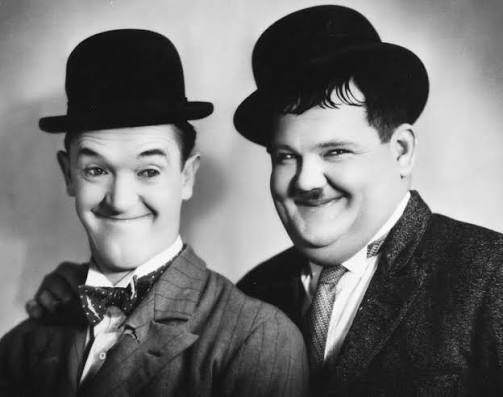
Of course, it is impossible to discuss Stan Laurel without mentioning his legendary partnership with Oliver Hardy. Together, Laurel and Hardy created some of cinema’s most beloved comedy routines. While this restaurant sequence focuses primarily on Stan’s individual comedic abilities, longtime fans can easily recognize the same innocence, timing, and charm that made the duo internationally famous.
The influence of Laurel’s comedy extends far beyond the silent era. Modern comedians including Rowan Atkinson’s Mr. Bean, Jacques Tati, and many contemporary physical performers owe a considerable debt to pioneers like Stan Laurel. Their emphasis on visual storytelling, exaggerated reactions, and universal humor can all be traced back to the techniques perfected by silent film legends.
Watching this classic scene today also offers a fascinating glimpse into the elegance of early twentieth-century restaurants. The formal uniforms, polished dining rooms, elaborate table settings, and meticulous service reflect an era when dining out was considered a special occasion. These historical details add another layer of enjoyment while preserving a snapshot of social customs from nearly one hundred years ago.
Perhaps the greatest achievement of this film is its ability to make audiences smile without relying on cruelty or sarcasm. The humor remains warm, gentle, and deeply human. Nobody is truly the villain. Even when things go terribly wrong, the overall tone remains lighthearted and optimistic. That sense of kindness is one reason these films continue to appeal to families across generations.
As entertainment evolves, it is easy to forget how revolutionary silent comedians were. They established many of the storytelling techniques still used in modern films and television. Their commitment to visual clarity, precise timing, and emotional honesty continues to influence filmmakers around the world.
Stan Laurel’s restaurant adventure is far more than an old comedy sketch. It is a masterclass in visual storytelling, character-driven humor, and perfectly executed physical performance. Every confused glance, hesitant movement, and unexpected mishap reminds us that laughter often comes from life’s simplest moments. Nearly a century after audiences first enjoyed these scenes, they remain just as funny, proving that genuine comedy is truly timeless.
Whether you are discovering Stan Laurel for the first time or revisiting one of his classic performances, this delightful restaurant sequence serves as a wonderful reminder of why silent film continues to hold a special place in cinema history. Great humor transcends language, culture, and time, and few performers demonstrated that truth more brilliantly than Stan Laurel.