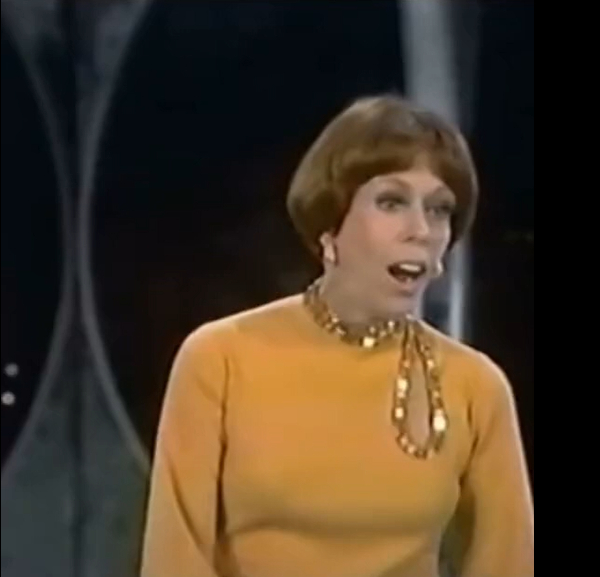
Carol Burnett is one of the most beloved names in American television comedy, a performer whose warmth, timing, expressions, and unforgettable characters helped define an era of entertainment. For generations of viewers, her name is closely connected with laughter, classic television, and the kind of comedy that could turn an ordinary situation into something completely ridiculous. Through her legendary variety program, The Carol Burnett Show, she created a style of comedy that remains entertaining decades later.
This Q&A explores some of the most interesting aspects of Carol Burnett’s career, personality, comedy style, and lasting influence.
Q: Who is Carol Burnett?
Carol Burnett is an American actress, comedian, singer, and television performer. She became widely known for her extraordinary comedic talent and later became one of the most recognizable entertainers in American television history.
Her career included television, film, theater, music, and live performance, but she became especially famous for her work in television variety comedy. Her ability to combine physical comedy, character acting, music, and improvisational energy made her stand out from many performers of her generation.
Q: What made Carol Burnett famous?
One of the biggest milestones in Burnett’s career was The Carol Burnett Show, which premiered in 1967. The program became a major television variety show, featuring comedy sketches, musical performances, guest stars, and recurring characters.
The show became famous for its ensemble chemistry and memorable sketches. Burnett worked alongside talented performers including Harvey Korman, Vicki Lawrence, Lyle Waggoner, and Tim Conway. Their interactions created some of the most memorable moments in classic television comedy.
Q: Why is The Carol Burnett Show still remembered?
One reason is its timeless style of humor. Many of the sketches were based on simple situations that became increasingly chaotic. A character might enter a room with a normal problem, but within minutes everything could completely fall apart.
The comedy often depended on facial expressions, physical reactions, pauses, misunderstandings, and perfectly timed responses. These elements do not require viewers to understand complicated references. The humor can work simply because the performers are funny.
That is one reason clips from the show continue to circulate among new generations of viewers.
Q: Who were some of Carol Burnett’s most famous comedy partners?
Harvey Korman and Tim Conway were two of the most important comedy partners associated with the show.
Korman was known for his expressive reactions and ability to play characters who were increasingly frustrated by the ridiculous situations around them. Conway had an extraordinary ability to create unexpected comic moments through timing, facial expressions, physical movements, and subtle improvisation.
Their chemistry with Burnett became a major part of the show’s identity.
Q: What was special about Carol Burnett’s comedy style?
Burnett’s comedy combined several different forms of performance. She could sing, act, dance, perform impressions, play dramatic characters, and deliver physical comedy.
However, one of her greatest strengths was her ability to communicate emotion through her face. A single look could sometimes communicate more than a long line of dialogue.
She also understood timing extremely well. A pause before a reaction, an exaggerated expression, or a perfectly timed movement could transform an ordinary joke into a memorable comedy moment.
Q: Did Carol Burnett create memorable characters?
Yes. Throughout her career, Burnett portrayed many memorable characters, particularly in sketch comedy.
One of the most famous is Eunice, a character associated with the fictional dysfunctional family sketches. Eunice became memorable because of her exaggerated frustration, dramatic reactions, and complicated family relationships.
Burnett also became famous for characters that allowed her to explore different personalities and comedic situations. Her ability to completely transform herself for a sketch helped make the show feel fresh and unpredictable.
Q: Why were her sketches so effective?
A great sketch usually begins with something understandable. The audience immediately recognizes the situation, relationship, or problem. Then the performers gradually increase the absurdity.
Carol Burnett’s sketches often followed this structure. The audience could understand what was happening, but the characters’ reactions became increasingly exaggerated.
The performers also trusted one another. When someone broke character or started laughing, that reaction could sometimes make the scene even funnier. Instead of destroying the moment, the laughter could become part of the entertainment.
Q: Was laughter important behind the scenes?
Absolutely. One of the most enjoyable aspects of classic Burnett sketches is seeing performers react naturally to one another.
Tim Conway, in particular, was famous for making fellow performers laugh. His unexpected delivery and slow comedic timing could create moments where other actors struggled to remain serious.
Those reactions helped give the show a feeling of spontaneity. Viewers were not only watching a scripted sketch; they were also watching talented performers genuinely enjoy working together.
Q: What role did music play in the show?
Music was an important part of The Carol Burnett Show. Burnett had a strong singing background, and the program regularly featured musical performances.
The combination of music and comedy gave the program variety. A viewer could watch a hilarious sketch and then see a polished musical performance moments later.
This balance was one of the strengths of the variety-show format.
Q: What made Carol Burnett different from many other comedians?
Burnett had an unusual combination of talent and warmth. She could be extremely energetic and ridiculous in one moment and sincere and emotional in another.
She also had a strong connection with her audience. Her performances often felt personal rather than distant. She could make viewers feel as though they were sharing the joke with her.
Her willingness to look silly was another important part of her appeal. She never seemed afraid of exaggerated costumes, strange characters, physical comedy, or embarrassing situations.
Q: Did Carol Burnett influence later com
edians?
Yes. Burnett’s career became an important example for generations of performers, particularly women working in comedy and television.
Her success demonstrated that a female performer could lead a major television comedy program while also serving as an actress, singer, host, and creative force.
Her influence can be seen in later sketch-comedy programs, television variety shows, sitcom performances, and female-led comedy productions.
Q: Why do people continue watching Carol Burnett clips today?
Classic comedy can survive because humor does not always depend on current events. Great timing, expressive acting, physical comedy, and human reactions can remain funny for decades.
A viewer who has never watched an entire episode of The Carol Burnett Show can still watch a short sketch and immediately understand the joke.
That accessibility makes the show’s classic moments perfect for modern audiences discovering old television through online video platforms.
Q: What can today’s creators learn from Carol Burnett?
There are several lessons.
First, strong characters matter. A memorable personality can make even a simple situation entertaining.
Second, timing is essential. Comedy is not only about what is said but also about when something is said.
Third, reactions can be just as funny as dialogue. A facial expression, pause, or gesture can sometimes become the most memorable part of a scene.
Finally, authenticity matters. Burnett’s willingness to laugh, make mistakes, and fully commit to ridiculous situations helped create a genuine connection with audiences.
Q: What is Carol Burnett’s lasting legacy?
Carol Burnett’s legacy is much larger than a single television show. She represents an important period in American entertainment when variety programs brought comedy, music, theater, and celebrity performances into viewers’ homes every week.
Her work continues to be remembered because it combines exceptional talent with simple human humor.
Decades later, viewers can still laugh at the exaggerated reactions, unexpected mistakes, ridiculous characters, and perfectly timed performances.
That is perhaps the strongest proof of great comedy: it does not need to be explained.
Carol Burnett’s greatest achievement was not simply making people laugh during her own era. She helped create comedy moments that continue to make people laugh long afterward.
From unforgettable characters to legendary comedy partners, from musical performances to chaotic sketches, her career remains an important chapter in television history.
For longtime fans, watching Carol Burnett is a nostalgic journey back to classic television. For younger viewers, it can be an introduction to a style of comedy built on performance, personality, timing, and genuine laughter.
And that is why Carol Burnett remains a true comedy icon. Her performances remind us that sometimes the simplest ingredients—a great cast, a clever situation, expressive faces, and perfect timing—are all it takes to create a moment audiences will remember forever.