In the harsh, sun-scorched landscape of the American Civil War, three very different men find themselves drawn toward the same prize: a fortune in buried gold. What follows is a dangerous journey filled with deception, shifting alliances, gunfire, betrayal, and one of the most unforgettable finales in Western cinema.
The Good, the Bad and the Ugly remains one of the defining films of the Spaghetti Western genre, and its treasure-hunt storyline perfectly captures everything that makes the movie so memorable. Nobody can be trusted completely, every alliance has a hidden purpose, and the promise of gold is enough to push men into extraordinary danger.
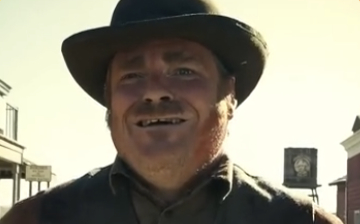
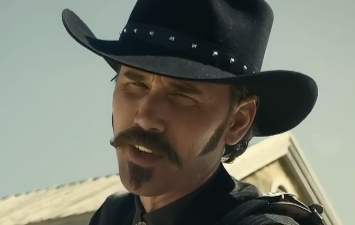
At the center of the story are three characters with very different personalities. Clint Eastwood plays Blondie, known as “The Good,” although his morality is far more complicated than the nickname suggests. Lee Van Cleef portrays Angel Eyes, “The Bad,” a ruthless bounty hunter whose pursuit of money is matched by his willingness to eliminate anyone standing in his way. Eli Wallach plays Tuco, “The Ugly,” a chaotic, talkative, unpredictable outlaw whose survival instincts constantly put him one step ahead of disaster.
Their paths become connected through a secret surrounding a hidden cache of gold. The information is divided between Blondie and Tuco, meaning neither man can locate the treasure without the other. That simple setup creates a fascinating game of manipulation. They need each other, but neither truly trusts the other.
Tuco knows the name of the cemetery where the gold is buried. Blondie knows the specific grave. Together, they possess the information necessary to find the treasure. Separately, each has only half of the puzzle.
That makes their relationship one of the most entertaining elements of the story.
They can cooperate one moment and threaten each other the next. Their partnership is built less on friendship than necessity. Every conversation carries the possibility of another betrayal, and every moment of silence seems to hide a new plan.
The journey toward the treasure is also filled with danger from the ongoing Civil War. The characters move through battlefields, ruined towns, military camps, and devastated landscapes, showing a world where violence is almost impossible to escape.
Yet despite the enormous conflict surrounding them, their attention repeatedly returns to the gold.
That contrast gives the story much of its dark humor. Armies are fighting around them, people are struggling to survive, and entire landscapes are being destroyed, while these three men remain focused on a buried fortune.
Angel Eyes approaches the treasure hunt differently. Unlike Blondie and Tuco, he is willing to use violence whenever it helps him get closer to his objective. His presence adds a constant sense of danger because he does not need friendship, loyalty, or cooperation. He only needs information.
Blondie, meanwhile, survives through patience, observation, and calculation. He rarely reveals everything he knows. His calm behavior makes him difficult to predict, especially when dealing with Tuco.
And then there is Tuco.
Tuco’s personality provides much of the film’s energy. He can be greedy, angry, frightened, funny, and surprisingly clever within the same scene. His relationship with Blondie constantly changes between partnership and conflict.
Their arguments may be humorous, but beneath the comedy is a serious struggle for survival.
As the story progresses, the gold becomes more than just money. It becomes a symbol of temptation. Each character believes that finding it will change his situation, but the closer they get, the more dangerous the journey becomes.
One of the most memorable aspects of the film is the way it builds tension without rushing. Long pauses, intense stares, dusty landscapes, and carefully framed shots create suspense before the action even begins.
The famous cemetery sequence is the perfect example.
After everything the characters have endured, the treasure is finally within reach. But even then, nobody can simply walk away with it. The information they possess is incomplete, and their distrust of one another remains stronger than ever.
The climax transforms the treasure hunt into a deadly confrontation.
Three men stand against one another, each trying to determine who will move first. The silence becomes almost as powerful as the gunfire that follows.
There is no simple hero versus villain structure.
Each character has his own motives, weaknesses, and methods of survival. That complexity is one reason the film continues to attract audiences decades after its original release.
The question is not simply, “Who gets the gold?”
It is also, “Who can survive long enough to reach it?”
That question drives the entire story.
The treasure represents wealth, freedom, and opportunity, but reaching it requires betrayal, violence, endurance, and extraordinary luck. The characters repeatedly risk their lives for something that cannot guarantee happiness once they possess it.
This is one of the reasons the story remains so compelling.
The gold is the destination, but the journey is where the unforgettable moments happen.
From the tense encounters between Blondie and Tuco to Angel Eyes’ relentless pursuit, every step toward the treasure increases the pressure. Their personalities collide constantly, creating moments of humor immediately followed by danger.
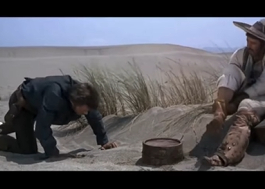
The movie also demonstrates the power of visual storytelling. Vast deserts, abandoned buildings, military camps, and the enormous cemetery create a world that feels both beautiful and threatening.
Ennio Morricone’s iconic musical score adds another layer to the experience. The music does not simply accompany the action; it helps define the atmosphere. It can make a quiet stare feel like a major confrontation and turn a final showdown into something almost mythic.
That combination of character, music, cinematography, and suspense helped make The Good, the Bad and the Ugly one of the most recognizable Western films ever made.
At the heart of the story, however, is a simple question: What are people willing to do for money?
Blondie, Tuco, and Angel Eyes provide three different answers.
One uses intelligence and patience. Another survives through unpredictability and determination. The third relies on fear and violence.
Their methods may differ, but they are all chasing the same reward.
And that is what makes the treasure hunt so entertaining.
When the final confrontation arrives, the audience has already witnessed an enormous journey. The gold has been hidden, discovered, pursued, and protected through countless dangers. By that point, the treasure almost feels secondary to the characters and the journey itself.
The real reward is the story that unfolds along the way.
More than half a century later, the film’s visual style, unforgettable characters, dramatic tension, and dark humor continue to influence Westerns and action movies around the world.
Blondie’s calm stare, Tuco’s chaotic personality, and Angel Eyes’ cold determination remain instantly recognizable.
So, who survives?
Who gets the gold?
And was the treasure really the best part of the journey?
That is exactly what makes this classic Western worth watching again. Even when you know how the story unfolds, the tension remains. Every glance, every pause, and every sudden movement can feel like the beginning of another betrayal.
The gold may be buried in the cemetery, but the real treasure of The Good, the Bad and the Ugly is the unforgettable cinematic journey that leads there.
A dusty landscape.
Three dangerous men.
One hidden fortune.
And a final showdown that helped define the Western genre forever.