The Chaotic World of Greed: A Review of the Masterpiece The Good, the Bad and the Ugly
Set against the brutal backdrop of the American Civil War—where thousands of soldiers fall for abstract ideals and territory—The Good, the Bad and the Ugly does not paint a glorious picture of battle. Instead, director Sergio Leone drops the audience into a dusty, harsh world where three wanderers care nothing about battle lines or nations. The only thing guiding them is a hidden fortune of gold—a treasure that turns greed into their sole religion.
The Paradoxical Trio Amidst War
The story revolves around the collision of three completely contrasting personalities, creating a chessboard full of deception:
-
Blondie (“The Good”): Stoic, calm, and deeply unpredictable. The title “The Good” does not make him a traditional hero. Blondie is cold-blooded when necessary, but he possesses personal moral boundaries and shows compassion at critical moments.
-
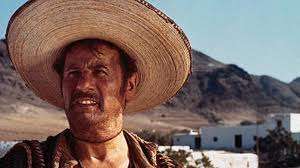
Tuco (“The Ugly”): A crude, loud outlaw driven by basic survival instincts. Despite his rough and ruthless exterior, Tuco carries a surprising depth of emotion, isolation, and a dark sense of humor that balances the intense tension throughout the film.
-
Angel Eyes (“The Bad”): A ruthless, cold-hearted killer who stops at nothing. He lacks loyalty and has no hesitation about exploiting or eliminating anyone who stands between him and his objective.
The Ultimate Bluff and a Toxic Alliance
The film’s magnetic pull lies in how its plot shifts and turns. It kicks off with a clever hustle: Blondie captures Tuco to collect the bounty, then times his shot perfectly to snip the hangman’s rope right before execution. They split the cash and repeat the scheme.
However, the partnership fractures when Tuco grows sick of playing the perpetual bait. Just as they are ready to tear each other apart, fate intervenes through a dying soldier named Bill Carson. Before kicking the bucket, Carson pulls off a masterclass in trolling: he tells Blondie the name of the cemetery, but keeps the exact grave number a secret—revealing it only to Tuco.
Suddenly, two men who wanted each other dead are forced into a toxic, inseparable alliance. Neither can find the treasure without the other. Their journey turns into a high-stakes psychological game where they must dodge the horrors of war while constantly watching their backs for a knife in the dark.
Artistic Pinnacle and Deep Meaning
The film’s climax condenses into the legendary Mexican standoff at Sad Hill cemetery. Amidst hundreds of unmarked graves and suffocating gazes, a single split-second draw decides life and death. Angel Eyes falls, the gold is found, but Blondie still leaves Tuco hanging with a final trick before they ride their separate ways.
The Good, the Bad and the Ugly transcends standard Western tropes. It exposes the absurdity of war—where thousands die for empty causes, while three scoundrels risk their lives over buried gold. In the end, what lingers is not just the pouch of gold on a saddle, but the strange, warped, yet genuine bond between Blondie and Tuco—proving that in a world devoid of trust, survival sometimes depends entirely on your worst enemy.