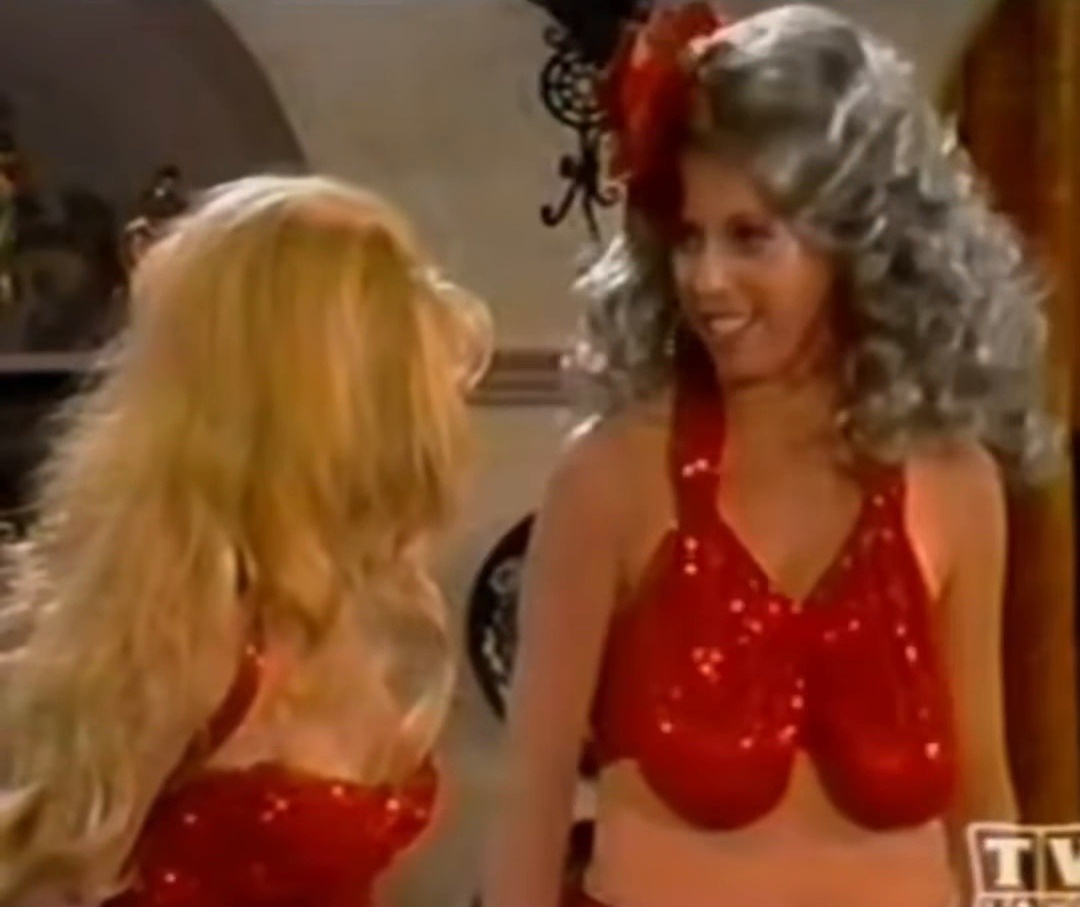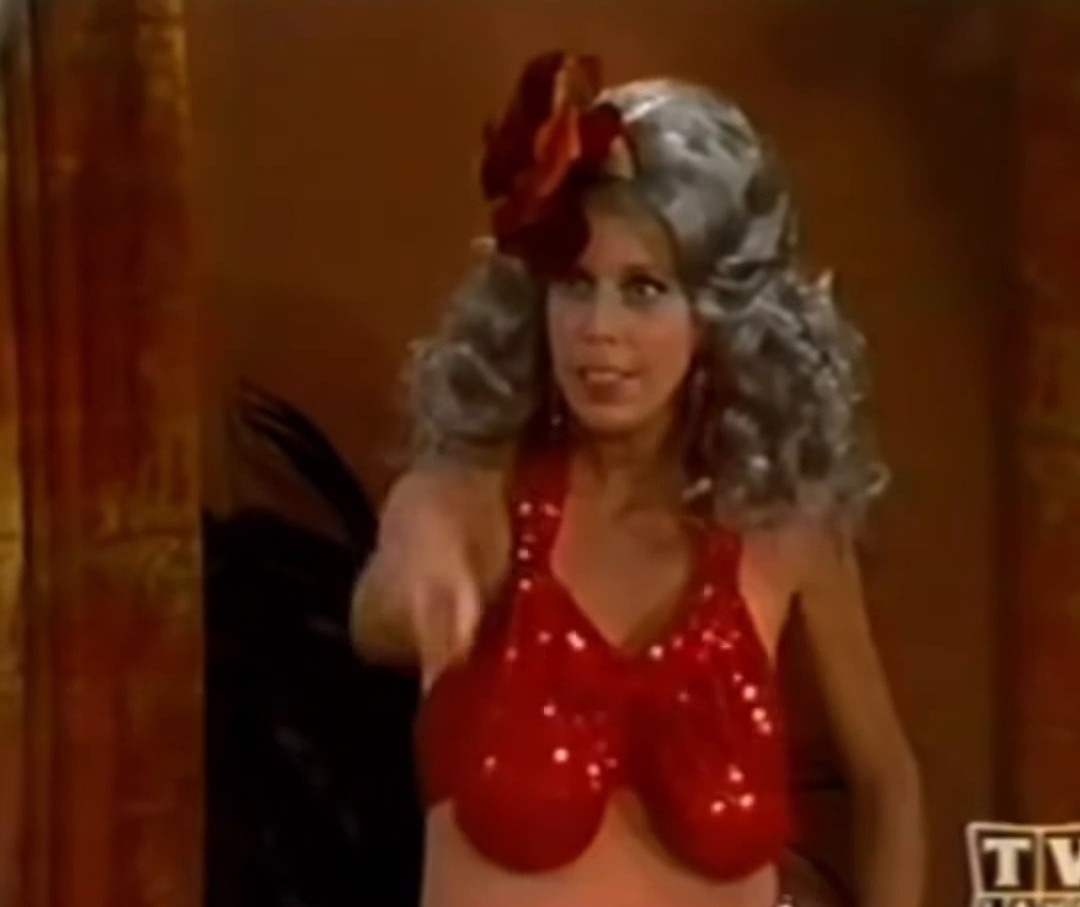
Some comedy routines succeed because the joke is brilliantly constructed. Others succeed because the performers can barely make it through the setup without destroying the joke themselves.
This wonderfully chaotic exchange belongs firmly in the second category.
The premise could hardly be simpler: someone announces that he enjoys a good joke and begins telling what sounds like an old-fashioned riddle about swimming in the ocean at night. But almost immediately, the routine starts slipping out of control. The storyteller struggles to maintain momentum, another person jumps in, laughter threatens to derail everything, and the punchline becomes obvious before the joke is even finished.
Instead of ruining the moment, that collapse becomes the funniest part.
“We Like a Good Joke”
The scene begins with confidence.
“Hey, we like a good joke as much as anyone else.”
“Yes, indeed.”
“We like an occasional corker.”
That word—“corker”—immediately establishes an old-school comic atmosphere. The performers are preparing the audience for the sort of joke that might have been passed around at parties, backstage dressing rooms or neighborhood gatherings for years.
Then comes the setup.
“Now, let me tell you what. Suppose you are out to sea and you’re doing the backstroke.”
So far, everything makes sense.
The audience is asked to imagine someone floating in the ocean, face pointed toward the sky.
Then an important detail is added:
“At night.”
And repeated:
“At night.”

That repetition is important because the entire joke depends on it.
Unfortunately, the performers are already beginning to sense where the story is going.
The Joke Starts to Collapse
A good riddle depends on controlling information. The storyteller gives the audience enough clues to understand the situation but tries to hide the answer until exactly the right moment.
Here, that control disappears almost instantly.
Someone interrupts:
“Who is killing this?”
Then comes the confession that explains the problem:
“I love just thinking of the punch line.”
That is the moment when the routine changes completely.
The joke itself is no longer the main attraction.
Now the audience is watching someone struggle not to laugh at a punchline that has not even been delivered.
That kind of anticipatory laughter can be contagious. Once a performer finds an upcoming line funny, every attempt to continue the setup becomes more difficult.
The audience knows something is coming.
The other performers know something is coming.
Most importantly, the storyteller knows—and can barely contain himself.
Backstroke at Night
Still, an attempt is made to continue.
“Now it’s at night and you’re doing the backstroke and you’re out at sea and you look up into the sky.”
The image is deliberately specific.
You are floating on your back.
You are surrounded by ocean.
It is nighttime.
You look straight upward.
Then comes the question:
How-To, DIY & Expert Content
“What do you see?”
The answer is almost unavoidable.
“Well, I probably see stars.”
And immediately:
“You got it.”
That is essentially the entire joke.
There is no elaborate twist. There is no complicated wordplay waiting around the corner. The answer is exactly what anyone would expect to see while floating on their back in the ocean at night.
Stars.
Yet the simplicity is precisely what makes the exchange so funny.
The Punchline Is Barely a Punchline
Ordinarily, a joke is expected to surprise us.
This one does almost the opposite.
The setup practically gives away the answer.
Nighttime.
Backstroke.
Looking at the sky.
What else would you see?
The moon, perhaps. Clouds, maybe. But “stars” is the obvious response.
When the storyteller happily announces, “You got it,” the routine takes on the feeling of a joke whose creator is far more delighted by it than anyone logically should be.
That imbalance creates comedy.
The performers are treating an incredibly simple riddle as though it is an extraordinary piece of comic craftsmanship.
Laughter Before the Payoff
The strongest element of the exchange may be the line:
“I love just thinking of the punch line.”

It reveals something fundamental about live comedy.
Sometimes anticipation is funnier than the joke itself.
Once someone begins laughing before reaching the punchline, the audience starts wondering whether the performer will even manage to finish. Every pause becomes funny. Every attempt to regain composure creates another opportunity for things to fall apart.
The laughter is no longer simply a reaction to comedy.
It becomes part of the comedy.
This phenomenon has powered countless memorable television moments. A performer who is desperately trying to remain serious can often be funnier than someone deliberately delivering a polished punchline.
A Joke About Telling a Joke
That is why the routine works on two levels.
On the first level, there is the actual joke:
You are doing the backstroke in the ocean at night. You look upward. What do you see?
Stars.
On the second level, there is a much funnier story unfolding: a group of performers attempting to tell this extremely simple joke as though it is the greatest “corker” ever invented.
The interruptions, repetition and premature amusement transform the scene.
Instead of merely listening to a joke, viewers are watching people experience the joke together.
That makes the exchange feel spontaneous.
Chemistry Matters More Than Material
On paper, the dialogue might not seem particularly remarkable.
Remove the voices, facial expressions, pauses and reactions, and very little remains.
But comedy is rarely just about words.
Timing matters.
Delivery matters.
Most importantly, chemistry matters.
When performers genuinely enjoy one another, even a weak joke can become hilarious because the audience responds to their reactions.
One person starts laughing.
Another tries to continue.
Someone interrupts.
The original storyteller attempts to recover.
Suddenly, a joke that should take ten seconds stretches into a miniature comic event.
Sometimes the Worst Joke Is the Best Joke
There is also something timeless about intentionally corny humor.
Not every joke needs to be sophisticated. In fact, sometimes the sheer obviousness of a punchline is exactly what makes it enjoyable.
The audience recognizes how silly the joke is.
The performers recognize how silly it is.
Everyone becomes part of the same game.
That explains why the final “You got it” works so well.
There is no attempt to pretend the answer was difficult.
The pleasure comes from reaching it at all after the setup has nearly collapsed under the weight of everyone’s amusement.
Comedy Gold From Almost Nothing
Ultimately, this backstroke routine demonstrates how experienced performers can create entertainment from almost no material.
The ingredients are minimal: an ocean, nighttime, someone doing the backstroke and a sky full of stars.
But add the right personalities and suddenly the journey to the punchline matters far more than the punchline itself.
The performers announce that they enjoy “an occasional corker.” They begin telling their joke. Someone nearly destroys it by laughing too soon. The setup gets repeated. The answer becomes obvious.
Finally:
“Well, I probably see stars.”
“You got it.”
It is ridiculous, predictable and wonderfully simple.
And that is exactly why it works.
Không quan tâm chủ đề này
Hệ thống sẽ ngừng gợi ý tin tức liên quan đến chủ đề này.