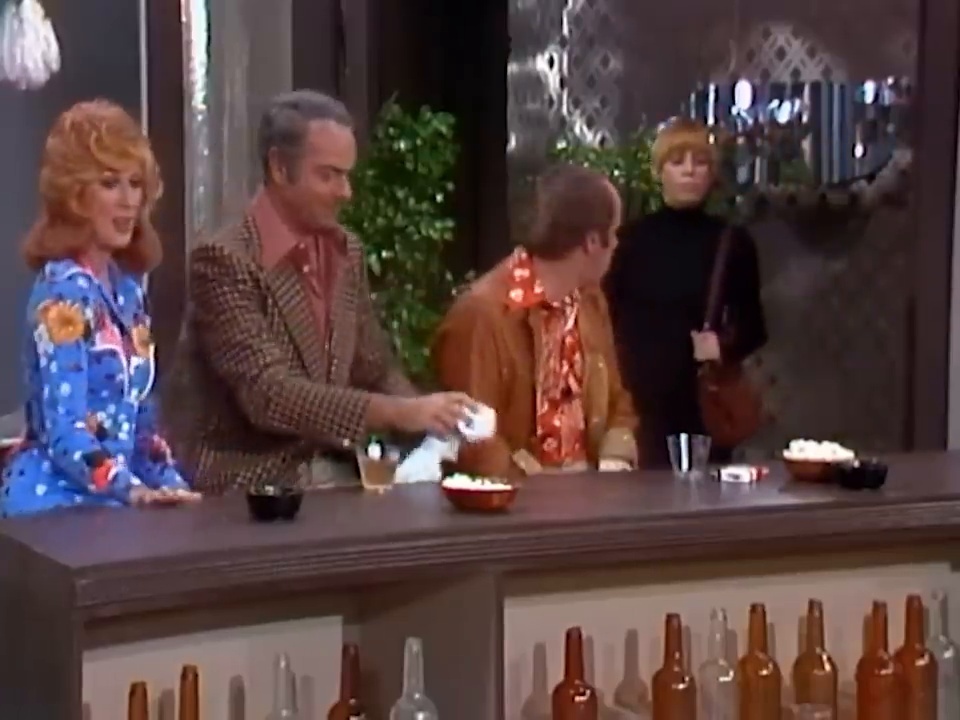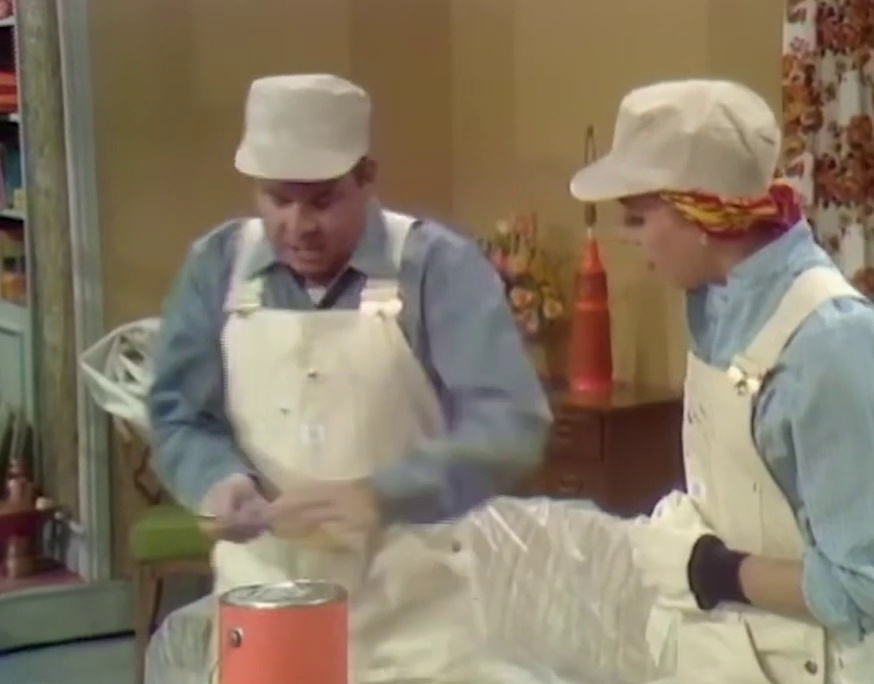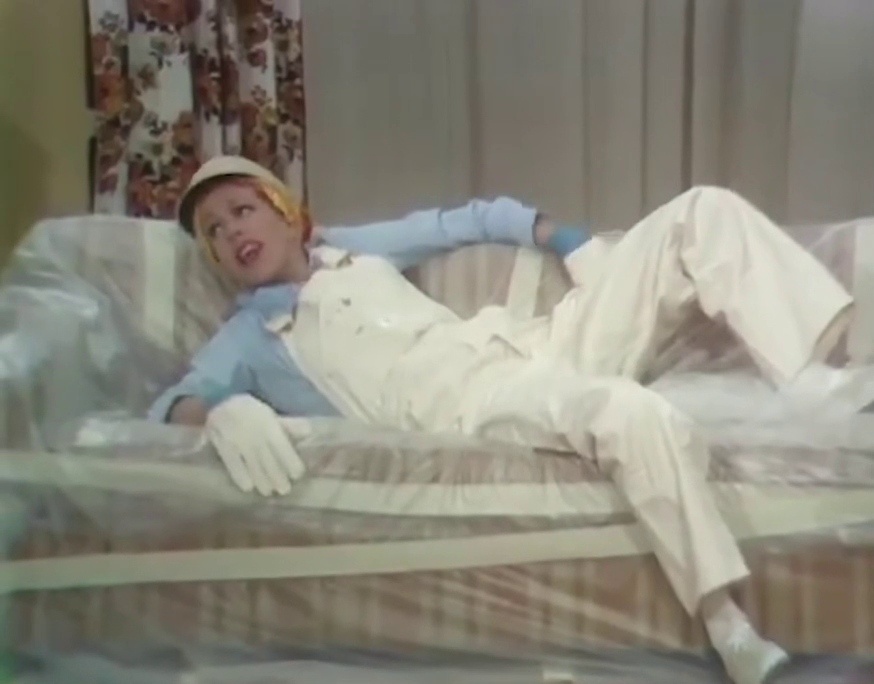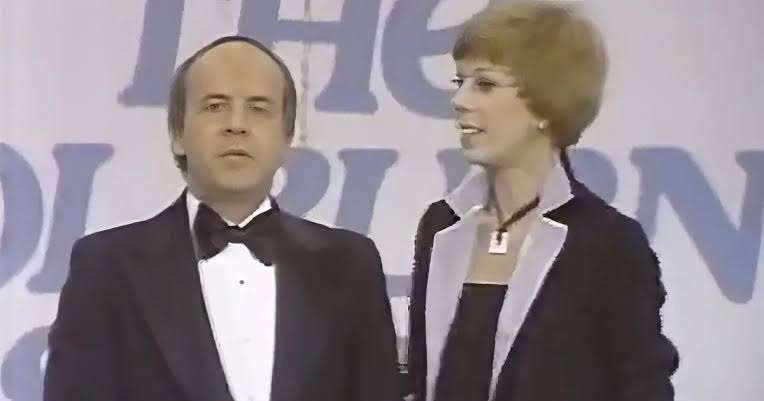
Few television farewells have managed to combine laughter, nostalgia, gratitude, and genuine emotion quite like the closing chapter of The Carol Burnett Show. After 11 seasons of sketches, musical performances, unforgettable characters, and moments of spontaneous comedy, Carol Burnett was preparing to say goodbye to the program that had become one of television’s most beloved variety shows.
But during that emotional farewell, Tim Conway had one final surprise waiting for her.
It involved the man Carol Burnett had admired for years: Hollywood legend Jimmy Stewart.
What followed was not simply another celebrity appearance. It became a deeply personal television moment in which Burnett’s normally quick comedic instincts disappeared for a few seconds, replaced by genuine shock, tears, and disbelief.
A farewell after 11 remarkable seasons
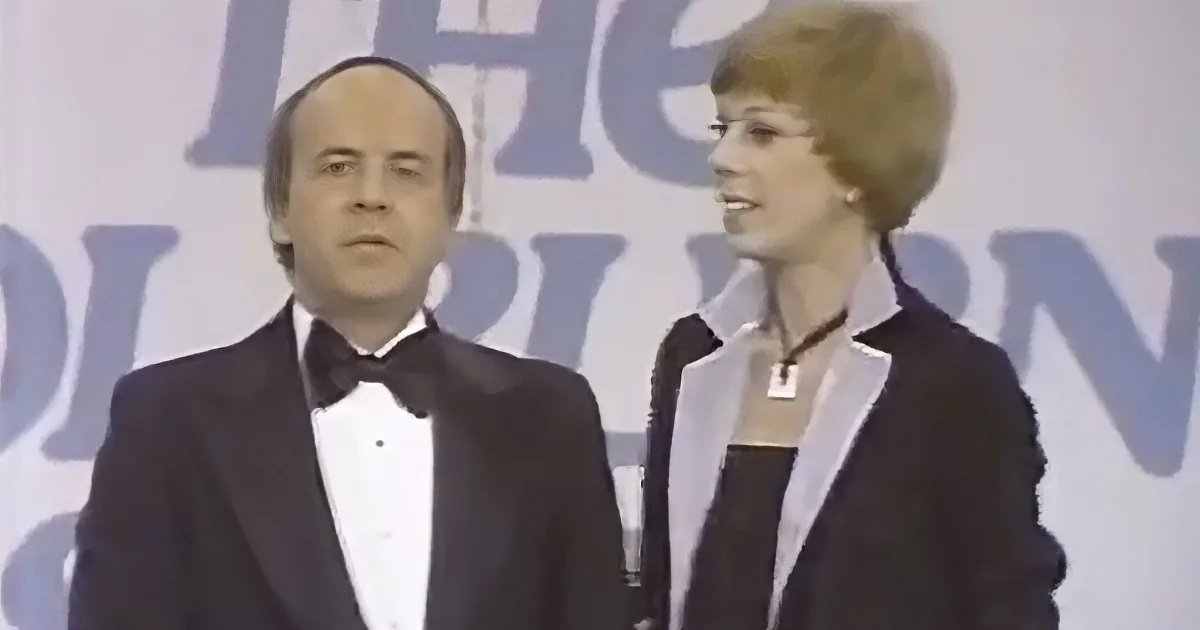
The Carol Burnett Show had spent more than a decade entertaining audiences with an unusual mixture of scripted comedy and unpredictable chemistry.
Burnett was surrounded by performers capable of turning even the simplest sketch into something memorable. Harvey Korman, Vicki Lawrence and Tim Conway became essential parts of the show’s identity, while an extraordinary list of guest stars passed through its doors.
By the time the program reached its farewell, viewers had already shared years of laughter with the cast.
The final episode therefore carried enormous emotional weight.
It wasn’t simply the end of another television season. It represented the closing of an era for the performers, crew members and millions of viewers who had made the program part of their lives.
Yet even during the farewell, the people around Burnett apparently still had one trick left.
Tim Conway sets up the surprise
During the finale, Conway appeared beside Burnett and began talking about a performer she supposedly had never allowed onto the program.
His setup was perfectly suited to his famously understated comedic style.
Conway told Burnett that she had a favorite performer—a man who had supposedly been waiting around with his piano every week but had never been given an opportunity to appear.
Since this was the last show, Conway suggested, perhaps it was finally time to give the poor man his chance.
Burnett clearly did not know where the conversation was going.
Then the stage opened.
And there was Jimmy Stewart.
Burnett’s reaction immediately revealed that this was no ordinary scripted television moment.
She screamed.
Her hands flew toward her face.
Within moments, the woman who had spent more than a decade controlling the rhythm of one of America’s biggest comedy programs was visibly overwhelmed.
The surprise had worked completely.
Carol Burnett meets her hero
Burnett had spoken openly about her admiration for Stewart, whose career had made him one of Hollywood’s most recognizable and beloved actors.
For generations of moviegoers, Stewart represented something distinctive about classic American cinema. His performances often combined vulnerability, humor, decency and an unmistakable voice that made him instantly recognizable.
For Burnett, however, Stewart wasn’t merely another famous guest.
He was her favorite actor.
That distinction transformed his appearance from a clever finale surprise into something intensely personal.
Audiences had watched Burnett surprise guests, improvise around unexpected moments and remain composed while Conway attempted to make everyone around him break character.
Now the situation was reversed.
Burnett was the one caught completely off guard.
There was little need for acting because her reaction said everything.
Jimmy Stewart sits down at the piano
Stewart then moved to the grand piano and performed “Ragtime Cowboy Joe.”
The choice created a wonderfully old-fashioned atmosphere, perfectly suited to a farewell celebrating classic entertainment.
Instead of arriving simply to wave at the audience or deliver a congratulatory message, Stewart became part of the performance.
Burnett watched the man she had admired for years sitting at the piano on her own stage.
When the song ended, the two embraced as the audience erupted in applause.
But perhaps the most memorable part came afterward, when Burnett attempted to explain what Stewart’s presence meant to her.
“You don’t know what this means to me tonight,” she told the audience.
She explained that Stewart had been her favorite actor for many years and that she had talked about him and admired him repeatedly.
Then came the simple admission that captured her disbelief:
“I can’t believe that you came!”
For someone accustomed to welcoming major stars onto her program, the sentence was strikingly sincere.
At that moment she wasn’t primarily Carol Burnett, television superstar.
She was a fan meeting someone whose work had meant something to her long before she became famous herself.
Stewart turns the tribute back toward Carol
Stewart could easily have accepted Burnett’s admiration and allowed the moment to remain focused on him.
Instead, he redirected the attention toward her.
He told Burnett how wonderful it felt to be there and described himself as part of the millions of people who wanted to thank her for the entertainment she had provided over the previous 11 years.
It was a fitting reversal.
Burnett believed she was receiving the ultimate gift by meeting her favorite actor.
Stewart reminded her that millions of viewers felt similarly grateful toward her.
He thanked her for the “wonderful, beautiful times” she had given audiences and expressed excitement about whatever she might do next.
Then the exchange became even more personal.
“I love you, Carol,” Stewart told her.
“I love you so much!” Burnett replied.
No elaborate punchline was necessary.
Why the moment still feels special
Television is filled with carefully manufactured surprises, particularly today. Promotional campaigns can tease major appearances before episodes even air, while social media often reveals unexpected moments within seconds.
This encounter belonged to a different television era.
Its power came from Burnett appearing genuinely unaware of what was about to happen.
Viewers could see the realization unfolding across her face.
First came confusion.
Then recognition.
Then the scream, the hands over her face and the tears.
That authenticity is precisely what gives old television moments like this such lasting appeal.
The audience wasn’t simply watching two celebrities together. They were watching one legendary entertainer momentarily become an overwhelmed fan.
And behind it all was Tim Conway, whose playful introduction made the surprise even better.
More than a celebrity cameo
Jimmy Stewart’s appearance also worked because of what the finale represented.
After 11 seasons, Burnett and her colleagues were saying goodbye to something they had built together.
The show had created a kind of extended television family. Audiences became familiar not only with recurring characters but with the performers themselves—their personalities, their tendency to break character and the chemistry that developed over years of working together.
Conway’s ability to make his fellow performers laugh became legendary. Burnett’s warmth connected the stage with the audience. The ensemble made viewers feel that something unpredictable could happen at almost any moment.
Stewart’s surprise fit naturally into that tradition.
It was unexpected, funny in its setup, and ultimately sincere.
A reminder of television’s golden variety-show era
The moment also captures something that has largely disappeared from modern television: the grand variety-show format.
Programs like The Carol Burnett Show could move effortlessly between comedy sketches, music, celebrity appearances and direct conversations with the audience.
The performers weren’t separated from viewers by a highly polished image. Mistakes, laughter and unexpected reactions often became part of the entertainment.
That spontaneity helped create moments that still feel surprisingly fresh decades later.
Burnett crying when Stewart appeared wasn’t memorable because someone had written an extraordinary script.
It was memorable because nobody needed one.
The emotion was enough.
A perfect goodbye
The conclusion of a beloved television program is difficult to get right. Too much nostalgia can feel forced. Too many celebrity appearances can turn a farewell into a parade of famous faces.
This surprise avoided both problems.
Tim Conway provided the comedy.
Jimmy Stewart provided the surprise.
Carol Burnett provided the emotion.
And together, they created a scene that represented much of what made The Carol Burnett Show special in the first place.
There was laughter, affection and unpredictability, followed by a moment of complete sincerity.
For 11 seasons, Carol Burnett had given audiences countless reasons to laugh. During her farewell, Jimmy Stewart arrived to remind her just how much those years had meant to the people watching.
For once, Burnett didn’t need to deliver the perfect punchline.
Her stunned expression, her tears and one simple sentence said more than enough:
“I can’t believe that you came!”