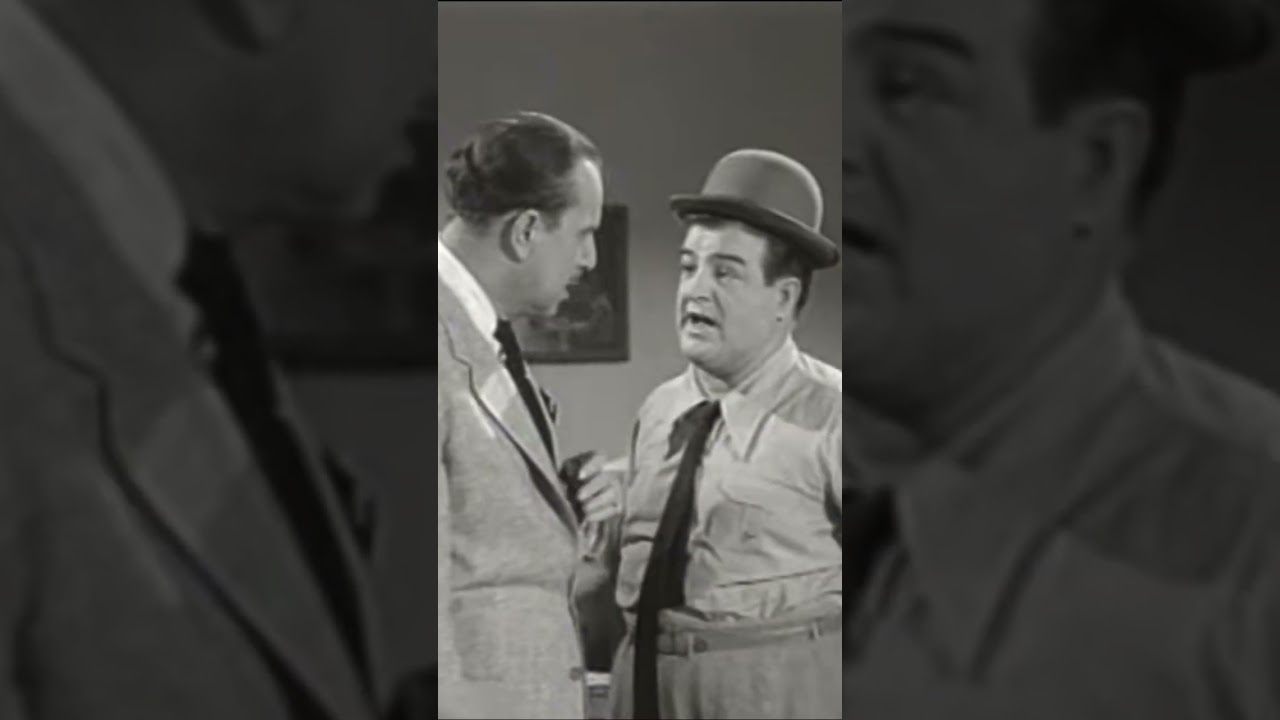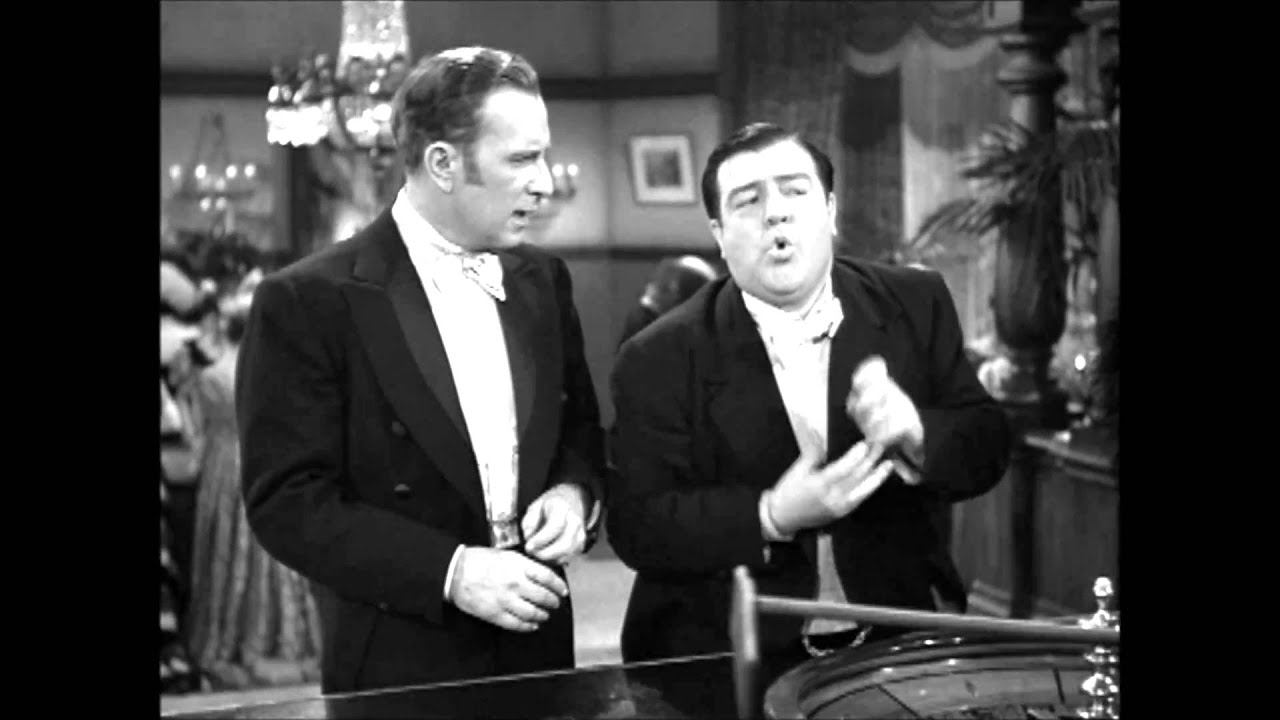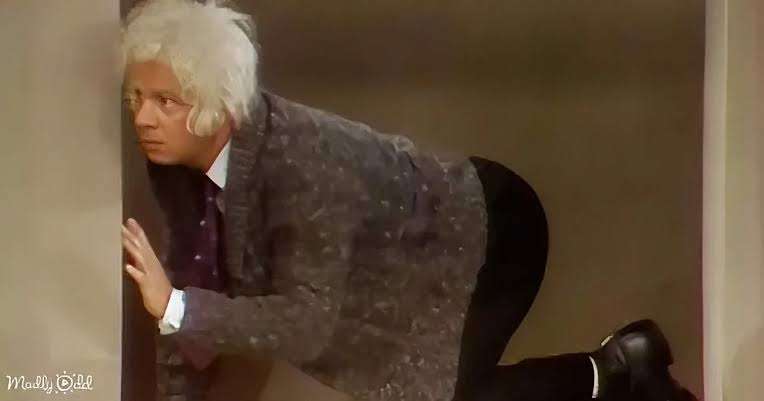
That is exactly the kind of comedy represented by “The Oldest Safecracker,” a classic-style television comedy filled with frantic timing, misunderstandings, physical humor, ridiculous conversations, and characters who seem determined to make every simple situation ten times more complicated.
From the opening moments, the energy is unmistakable. Nobody appears to have enough time, nobody seems completely prepared, and everyone is shouting instructions at everyone else. It feels less like a carefully organized plan and more like watching a group of people attempt to assemble furniture while the building is already on fire.
And somehow, that is what makes it so funny.
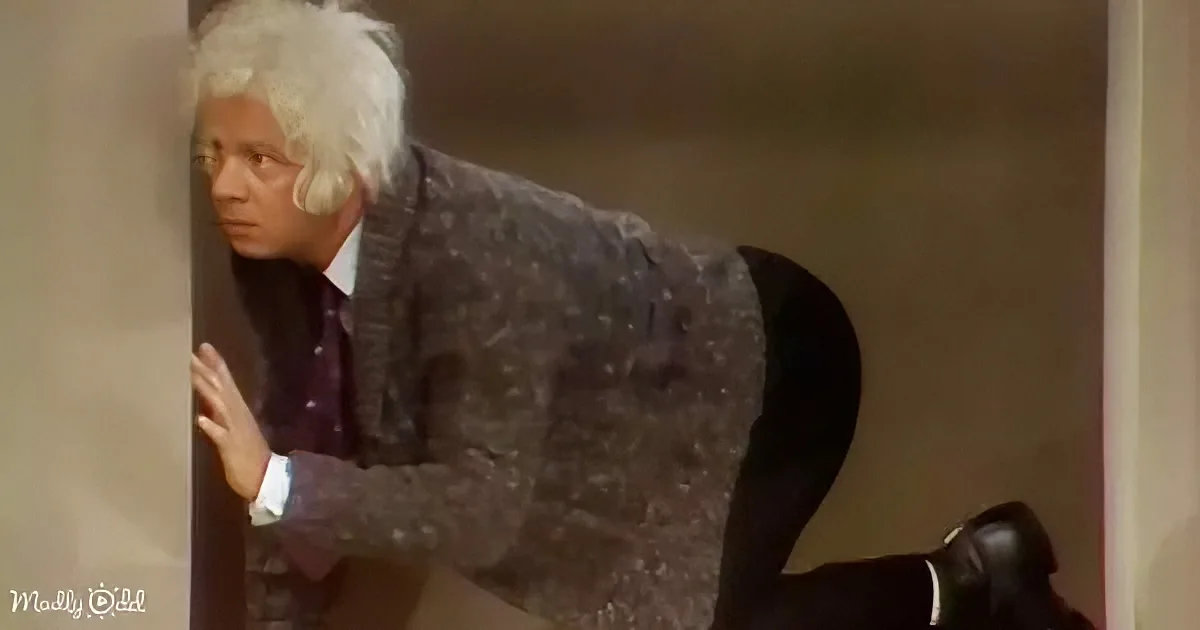
A “master plan” that immediately falls apart
The sketch begins with the kind of urgency normally reserved for a major emergency.
Someone is desperately waiting for another person to arrive. There are repeated demands to hurry up. There is a strict countdown. Every second seems important.
The problem?
The people involved do not exactly behave like professional criminals.
Instead of moving efficiently, they argue, hesitate, complain, and repeatedly tell each other to hurry. The result is a wonderful contradiction: the situation is supposedly incredibly serious, but the people responsible for solving it seem incapable of doing anything without creating another problem.
One character even questions the intelligence of the supposed mastermind.
That single idea captures the comedy perfectly.
A “mastermind” who is constantly confused is already funny. A mastermind surrounded by people who are equally confused is even better.
The audience is essentially watching a disaster happen in slow motion while the characters continue insisting that everything is under control.
It is not under control.
Not even remotely.
Seven minutes becomes six minutes… then everything gets worse
One of the funniest recurring elements is the countdown.
The characters keep announcing how much time remains, creating the impression that they are involved in an incredibly precise operation.
First, there are only a few minutes left.
Then the number gets smaller.
Then smaller again.
The urgency increases, but the productivity does not.
This is a classic comedy technique: the more seriously the characters treat the situation, the funnier their incompetence becomes.
Instead of calmly solving the problem, they become increasingly frantic.
Someone is drilling.
Someone else is shouting.
Someone is trying to help.
Another person appears to be making everything worse.
And the clock continues ticking.
It is almost like watching a sports team lose by twenty points while the coach keeps announcing, “We still have plenty of time!”
Except here, the characters have absolutely no reason to be confident.
Then comes the smoke
Just when things could not possibly become more chaotic, the drill creates another problem.
Smoke begins filling the situation, and suddenly the “safecracking” operation turns into an emergency medical situation.
One character starts complaining that he cannot breathe.
Then comes the dramatic demand for help.
The comedy works because the reaction is completely disproportionate to the situation. Instead of calmly dealing with the smoke, the characters immediately transform into amateur emergency responders.
The scene becomes a hilarious mixture of panic, confusion, and misplaced confidence.
One moment they are trying to complete a criminal-style mission.
The next moment they are discussing oxygen and artificial respiration.
It is the kind of escalation that makes classic sketch comedy so memorable: one small problem creates another, and that problem creates another, until the original problem has almost been forgotten.
When CPR becomes an awkward conversation
Then comes one of the sketch’s funniest turns.

A character suggests mouth-to-mouth resuscitation as the only solution.
Instead of treating the moment with appropriate seriousness, the conversation immediately becomes awkward.
The supposed emergency suddenly turns into an uncomfortable exchange.
That is another classic comedy trick: take a situation that should be extremely serious and introduce an absurdly inappropriate conversational detour.
Rather than focusing on the emergency, the characters somehow start worrying about completely unrelated details.
It is ridiculous.
And that is precisely why it works.
The audience knows what should happen. The characters clearly do not.
Meanwhile… there’s a race happening
As if the safecracking disaster were not enough, the sketch suddenly introduces another storyline involving a race.
This is where the comedy becomes beautifully chaotic.
Someone is apparently supposed to be competing in a race, but the vehicle has ended up needing attention in the pits.
And, naturally, the timing could not be worse.
Every second spent in the pit costs the racer valuable time.
The character knows this.
The audience knows this.
But the people helping him seem to have their own priorities.
The pressure is enormous. The instructions become increasingly frantic.
Get the oil.
Get back to the track.
Move faster.
Don’t waste time.
But, once again, the people involved seem almost professionally incapable of following a simple instruction.
Eventually, the race is lost.
And the explanation is brutally simple:
They spent too much time in the pits.
That punchline is funny precisely because it is so obvious.
Of course they lost.
We watched them waste almost all their time.
The “old buzzard” argument
Then comes another delightful character moment.
One character insults another by calling him an old buzzard.
The older character immediately takes offense.
And suddenly, the conversation shifts from racing to the timeless generation gap.
The older character complains about not receiving enough respect from younger people.
The younger character, meanwhile, is simply trying to get back to the race.
It is a familiar family dynamic exaggerated into comedy.
The older character wants respect.
The younger character wants speed.
Neither gets what he wants.
And, naturally, the situation gets even more ridiculous.
From the racetrack to backstage chaos
After the race disaster, the sketch shifts gears again.
Now there is another problem: someone needs to get ready for a performance.
There is only a few minutes to make a costume change.
This is where the comedy becomes a backstage farce.
The pressure is familiar to anyone who has ever worked in live entertainment.
A performer needs to change quickly.
Someone is supposed to help.
A costume needs to be found.
Buttons need to be handled.
Everyone is rushing.
And yet, instead of helping efficiently, the characters start talking about completely unrelated things.
One person is reminiscing.
Another is distracted.
Someone appears to be humming an old tune.
And the person desperately trying to get ready is becoming increasingly frustrated.
It is the perfect backstage nightmare.
Then the medical comedy returns
Just when the audience thinks the sketch has moved on, the story takes another unexpected turn.
Suddenly, someone is being treated like a patient.
There are pills.
There are questions about temperature and pulse.
There is medical equipment.
And there is, once again, complete confusion.
The supposed medical professional appears increasingly suspicious.
The patient becomes frustrated.
The conversation spirals into accusations.
Eventually, the doctor-like character is called a quack.
But even that insult becomes part of the joke.
The patient immediately realizes that perhaps he has gone too far and tries to soften the accusation.
The result is a wonderfully awkward exchange in which nobody seems completely sure what they are doing.
A doctor, a son, and a possible commitment
The arrival of another doctor threatens to make things even more complicated.
Someone is informed that Dr. Becker is coming.
That should be reassuring.
Instead, it becomes another source of anxiety.
The patient begins imagining what will happen once his son arrives.
He is already planning the confrontation.
He is already preparing his accusations.
And, naturally, he decides that someone might need to be committed.
At this point, the sketch has moved so far away from its original premise that the audience almost forgets where everything started.
That is part of its charm.
The story does not need to make perfect logical sense.
The comedy comes from the constant escalation.
And then… slippers
Just when it seems impossible to introduce another unrelated storyline, the sketch does exactly that.
Someone enters a store and wants to buy slippers.
Two slippers.
Blue.
Simple enough, right?
Absolutely not.
What should be an ordinary shopping trip quickly becomes another opportunity for physical comedy and awkward flirting.
The salesperson tries to determine the customer’s shoe size.
The process becomes increasingly uncomfortable.
There is poking, pulling, complaining, and plenty of exaggerated reaction.
The customer’s leg becomes the center of attention, and the salesperson somehow manages to turn a simple footwear purchase into an absurd social encounter.
Then comes the flirting.
Would the customer like to have lunch?
Where?
In the back room.
The conversation becomes increasingly suspicious.
And the character even asks for a promise that nothing inappropriate will happen.
The answer does not exactly inspire confidence.
Why this kind of comedy still works
What makes “The Oldest Safecracker” so entertaining is not simply the individual jokes.
It is the rhythm.
The sketch constantly moves from one problem to another.
A robbery becomes a medical emergency.
A medical emergency becomes a race problem.
The race becomes a family argument.
The family argument turns into backstage chaos.
Backstage chaos becomes another medical situation.
Then suddenly, the audience is watching someone buy slippers.
It is completely unpredictable.
And that unpredictability is one of the great strengths of classic sketch comedy.
Modern comedy often relies heavily on quick edits, visual effects, internet references, and rapid-fire punchlines.
Classic television comedy could achieve enormous laughs with nothing more than a handful of performers, a few props, exaggerated reactions, and impeccable timing.
That is what makes these performances special.
The actors have to sell every ridiculous moment.
A character cannot simply tell the audience that something is funny.
He has to behave as though the absurd situation is completely normal.
The more seriously the performer reacts, the more ridiculous the scene becomes.
The real secret is the characters
At the center of the sketch are characters who feel larger than life but still strangely familiar.
There is the impatient younger person.
The stubborn older character.
The supposedly brilliant mastermind who is anything but brilliant.
The panicked patient.
The suspicious medical professional.
The overly friendly salesperson.
Each character has a very simple motivation.
And when those motivations collide, comedy happens.
That is why the sketch does not need a complicated storyline.
The personalities do the work.
The characters are constantly stepping on each other’s toes, misunderstanding each other, and reacting to problems in the least efficient way imaginable.
And audiences love watching it.
A reminder of why classic variety shows remain beloved
There is something wonderfully comforting about revisiting classic television comedy.
The performances feel theatrical.
The jokes depend on timing.
The physical comedy is obvious but effective.
And the audience reaction becomes part of the experience.
You can almost imagine sitting in the studio as the performers race through the scene, waiting to see what ridiculous situation will appear next.
That is the magic of a great variety show.
It does not need to take itself seriously.
It simply needs to entertain.
And “The Oldest Safecracker” delivers exactly that kind of entertainment: frantic, physical, unpredictable, and completely chaotic.
From the disastrous safecracking attempt to the lost race, from the backstage confusion to the bizarre medical scenes and the unforgettable slipper-shopping encounter, the sketch keeps finding new ways to turn ordinary situations into comedy disasters.
And perhaps that is the greatest lesson from the whole thing:
If your plan is falling apart, don’t panic.
Unless, of course, you are the oldest safecracker.
In that case…
you should probably start panicking immediately.