Few television programs have influenced American comedy as deeply as “The Carol Burnett Show.” Frequently recognized by major publications such as TV Guide, Entertainment Weekly, TIME and Rolling Stone, the beloved variety series helped define the sketch-comedy format for generations of viewers and performers.
With its unforgettable characters, hilarious parodies and extraordinary cast chemistry, the show created a comedy formula that remains influential decades later.
A Groundbreaking Sketch-Comedy Series
“The Carol Burnett Show” premiered on CBS in 1967 and continued for 11 seasons, producing more than 275 episodes. Hosted by Carol Burnett, the program combined comedy sketches, musical performances, celebrity appearances and spontaneous interactions with the studio audience.
At a time when television variety shows were enormously popular, Burnett brought something distinctive to the format. She mixed theatrical performances with accessible, character-driven comedy that families could enjoy together.
The program also demonstrated that a woman could successfully lead a major primetime comedy series—an achievement that helped open doors for future generations of female entertainers.
An Extraordinary Comedy Ensemble
Although Carol Burnett was the heart of the series, its success also depended on an exceptionally talented ensemble.
Harvey Korman became known for his expressive reactions and ability to play exaggerated authority figures. Vicki Lawrence created memorable characters, most notably the sharp-tongued Thelma Harper. Lyle Waggoner brought charm and versatility to the earlier seasons, while Tim Conway became famous for his unpredictable physical comedy and remarkable timing.
Together, the performers created an atmosphere that felt both polished and spontaneous. Their chemistry became so strong that even watching them struggle to remain in character could be as entertaining as the scripted jokes.
Tim Conway and Harvey Korman’s Legendary Chemistry
Some of the most memorable moments from “The Carol Burnett Show” featured Tim Conway attempting to make Harvey Korman laugh during a sketch.
Conway frequently used unexpected pauses, strange voices and exaggerated movements that appeared designed to test Korman’s composure. Once Korman began smiling, the audience knew that complete laughter was usually only seconds away.
Instead of weakening the performance, these moments made the comedy feel more authentic. Viewers were not simply watching fictional characters—they were watching gifted entertainers genuinely enjoying one another’s work.
That sense of joyful unpredictability remains one of the show’s greatest attractions.
Unforgettable Characters and Classic Sketches
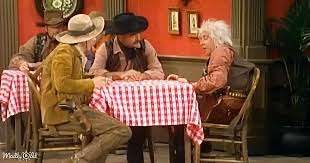
“The Carol Burnett Show” produced numerous sketches that became important pieces of television history.
One of the most famous is “Went with the Wind!,” an elaborate parody of Gone with the Wind. Burnett’s entrance wearing a curtain-inspired dress became an instantly recognizable comedy image.
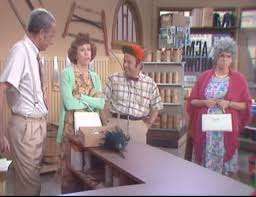
Other audience favorites included “The Family,” which later inspired the sitcom Mama’s Family, as well as recurring characters such as the timid Mrs. Wiggins and Conway’s famously slow-moving Oldest Man.
The show also parodied movies, soap operas and popular television programs. Its writers understood how to make familiar stories feel fresh by exaggerating their most recognizable characteristics.
Carol Burnett’s Unique Connection With the Audience
Each episode often began with Carol Burnett taking questions from members of the studio audience. These unscripted conversations allowed her warmth, intelligence and quick wit to shine.
Burnett never appeared distant from the people watching her. She treated the audience as an essential part of the program, responding to unusual requests and unexpected questions with humor and grace.
Her signature ear tug at the end of the show added an emotional touch. Originally intended as a message to her grandmother, the gesture became a symbol of the personal connection Burnett shared with millions of viewers.
Comedy That Crosses Generations
One reason “The Carol Burnett Show” continues to attract audiences is that much of its humor remains easy to understand. The sketches usually revolve around universal situations: difficult families, awkward social encounters, workplace confusion and people taking themselves far too seriously.
The comedy did not depend entirely on current events or short-lived cultural references. Physical humor, expressive performances and strong character relationships gave many sketches a timeless quality.
Today, classic clips continue to circulate online, introducing Tim Conway, Harvey Korman, Vicki Lawrence and Carol Burnett to viewers who were not alive during the program’s original run.
A Lasting Influence on Modern Comedy
The impact of “The Carol Burnett Show” can be seen throughout contemporary sketch comedy and late-night television.
Its combination of scripted material, improvisational energy, celebrity guests and audience interaction helped establish a model that many later programs would follow. Modern comedians have also cited Carol Burnett and her cast as important inspirations.
Perhaps the show’s greatest lesson is that technically precise comedy does not need to feel mechanical. The performers rehearsed carefully, yet they remained willing to respond naturally when something unexpected happened.
That balance between preparation and spontaneity gave the series its distinctive personality.
Why The Carol Burnett Show Is Still Considered One of the Best
Critical rankings can change over time, but the reputation of “The Carol Burnett Show” remains remarkably strong. Its place among television’s greatest programs is supported by several enduring qualities:
- A pioneering female host with extraordinary versatility
- One of television’s strongest comedy ensembles
- Memorable characters and movie parodies
- Exceptional physical comedy and timing
- Genuine chemistry between cast members
- A format that influenced generations of entertainers
More than a collection of funny sketches, the program represents an era when variety television brought families together and transformed performers into beloved cultural figures.
“The Carol Burnett Show” did not merely participate in television history—it helped shape it. Decades after its final episode, its greatest moments continue to generate laughter, proving that truly brilliant comedy never goes out of style.