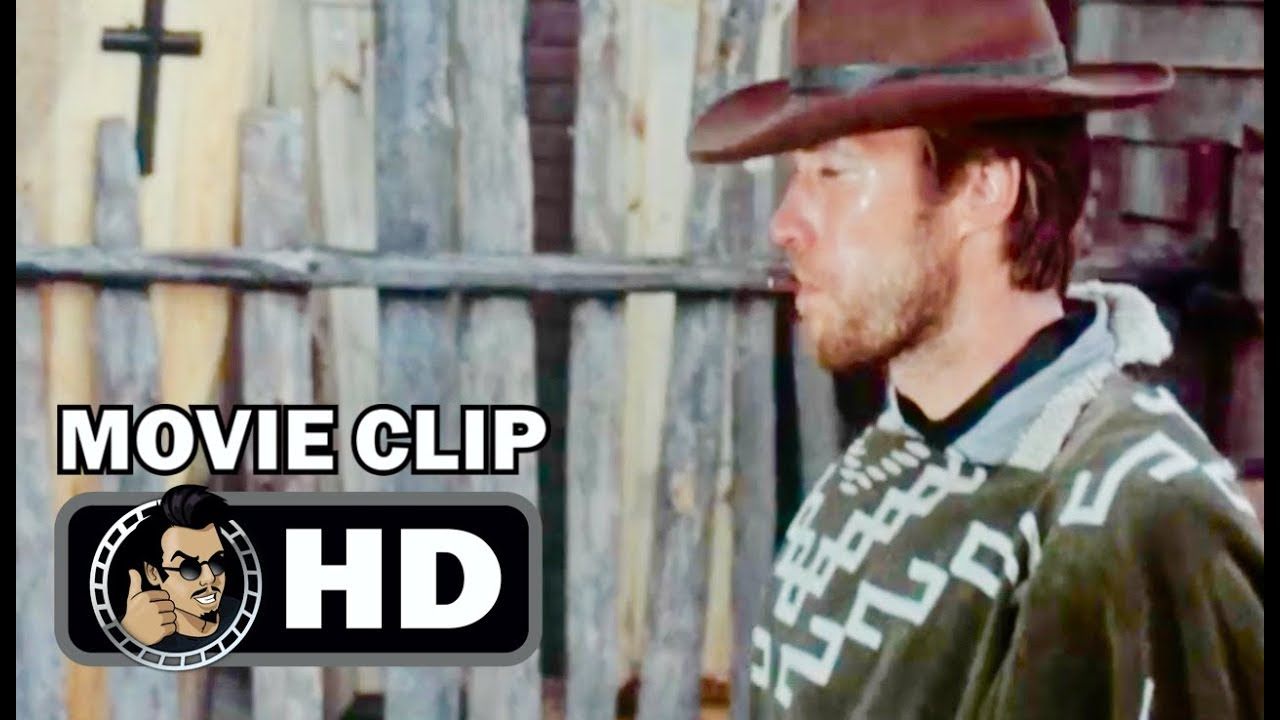
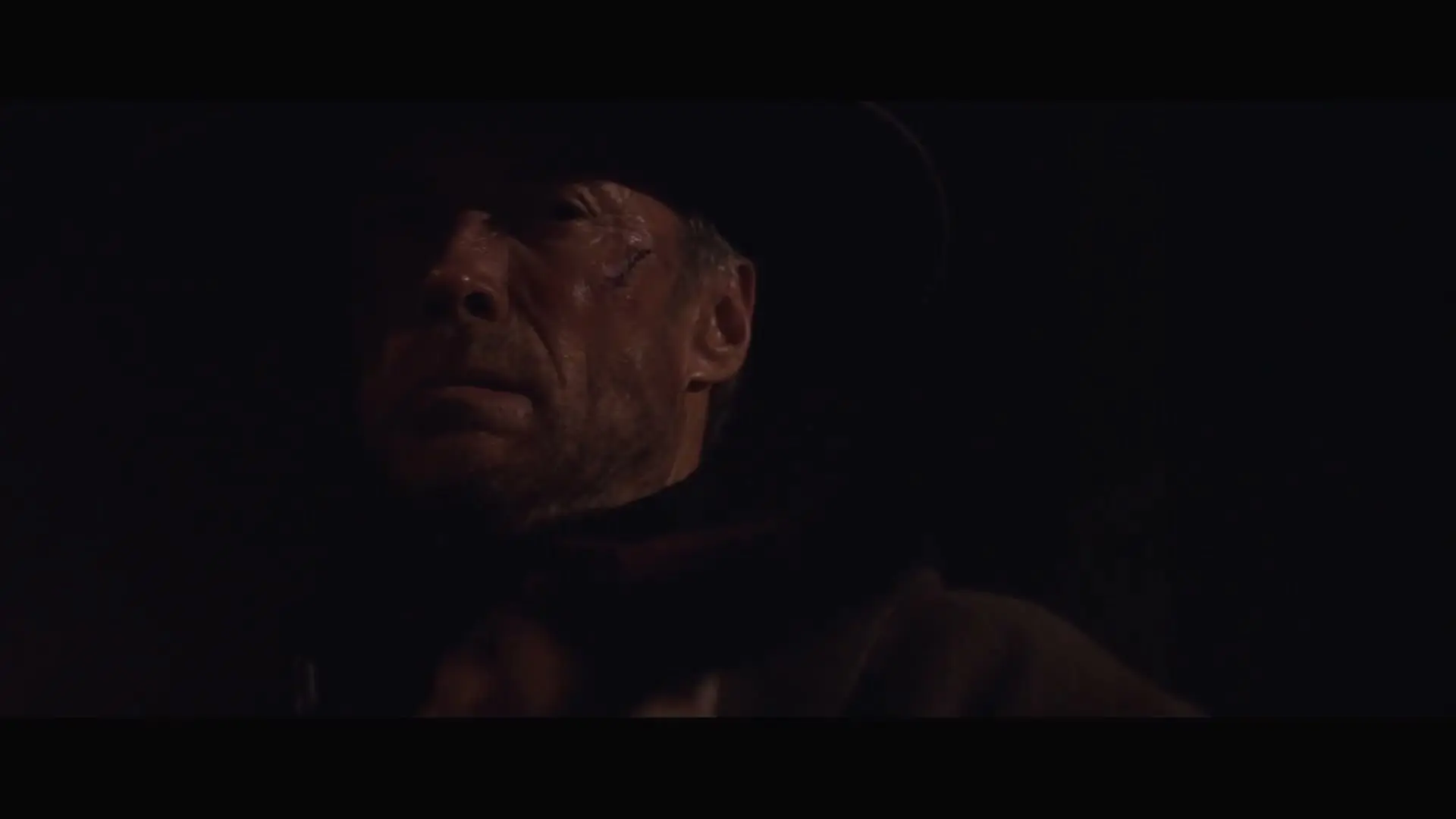
There are moments in Western cinema when a character’s reputation becomes more frightening than any weapon he carries. In Unforgiven (1992), Clint Eastwood creates one of those moments when William Munny walks into a saloon and confronts the men responsible for destroying his friend.
What follows is not simply another dramatic Western shootout. It is the return of a man who once tried to escape his violent past, only to discover that some things cannot be buried forever.
The atmosphere is tense, the dialogue is unforgettable, and Eastwood delivers a performance that reminds audiences why he became one of the most influential figures in Western movie history.
A Peaceful Life Destroyed by Violence
At the beginning of Unforgiven, William Munny is far removed from the ruthless gunfighter he once was.
He lives on a struggling farm, raising his children after the death of his wife. His former life as a notorious outlaw seems like something he has finally managed to leave behind.
But his peaceful existence is interrupted when he accepts an offer to hunt down two cowboys responsible for brutally injuring a woman in the town of Big Whiskey.
Munny initially struggles with the decision. He is older, less physically capable, and no longer possesses the confidence of his younger days. Nevertheless, financial desperation and the promise of a reward eventually push him back toward violence.
His journey takes an even darker turn when his friend Ned Logan is captured, tortured, and killed by Sheriff Little Bill Daggett.
That loss changes everything.
The man who once hoped to earn money and return home now has a deeply personal reason to settle the score.
Little Bill Makes a Fatal Mistake
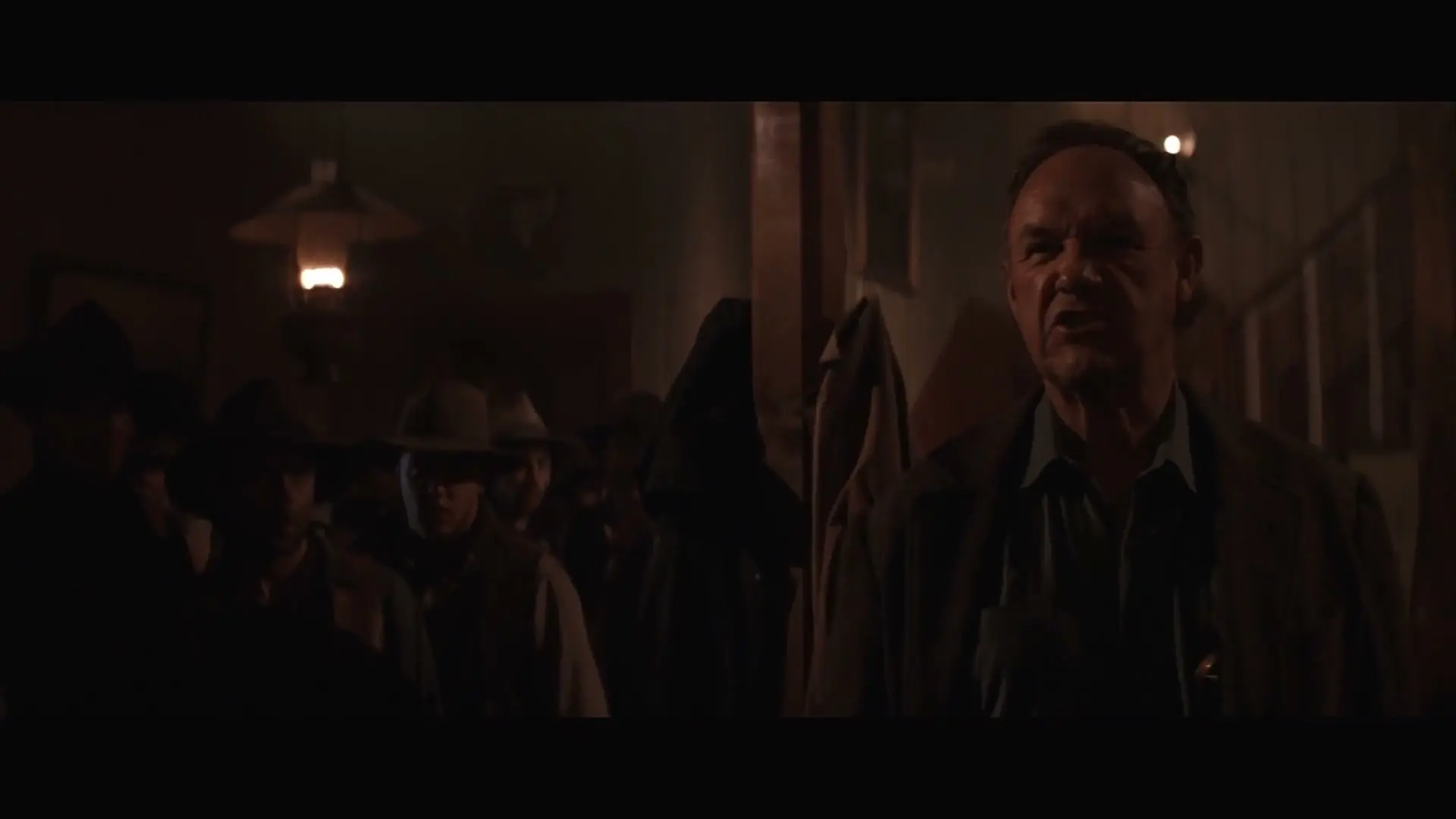
Sheriff Little Bill, portrayed brilliantly by Gene Hackman, believes he has complete control over Big Whiskey.
He presents himself as a defender of law and order, but his methods reveal a much crueler personality. His authority depends on intimidation, physical violence, and the ability to make others afraid of challenging him.
When William Munny enters the saloon, Little Bill initially treats him as another dangerous outsider who can be controlled.
The sheriff even attempts to humiliate him by bringing up his violent history, particularly his reputation for killing innocent people.
But Munny does not deny his past.
Instead, he calmly makes it clear that he has returned for one specific reason: Ned’s death.
The atmosphere inside the saloon changes immediately. The people surrounding Little Bill begin to understand that this is no ordinary disagreement between a sheriff and a stranger.
Munny is not there to negotiate.
He has come to kill the man responsible for his friend’s murder.
Clint Eastwood Turns Silence Into a Threat
One of the most impressive aspects of this confrontation is Eastwood’s ability to communicate danger without relying on exaggerated expressions or dramatic speeches.
His William Munny is exhausted, weathered, and visibly affected by everything he has experienced. Yet there is something deeply unsettling about the way he carries himself.
He does not need to raise his voice to command attention.
Every movement feels deliberate, and every sentence carries the weight of a man who has already accepted the consequences of his actions.
Eastwood understands that the character’s greatest strength is not simply his ability to use a gun. It is the frightening certainty that he has nothing left to lose.
This makes Munny fundamentally different from the younger Western heroes audiences might expect.
He is not fighting to prove himself. He is not seeking recognition or admiration.
He has returned because someone crossed a line that he cannot forgive.
A Saloon Shootout That Changes Everything
The confrontation eventually explodes into violence.
Inside the crowded saloon, the men surrounding Little Bill attempt to stop Munny before he can carry out his threat. Weapons are drawn, panic spreads, and the room becomes a battlefield.
For a brief moment, the situation appears overwhelmingly dangerous for the aging gunfighter.
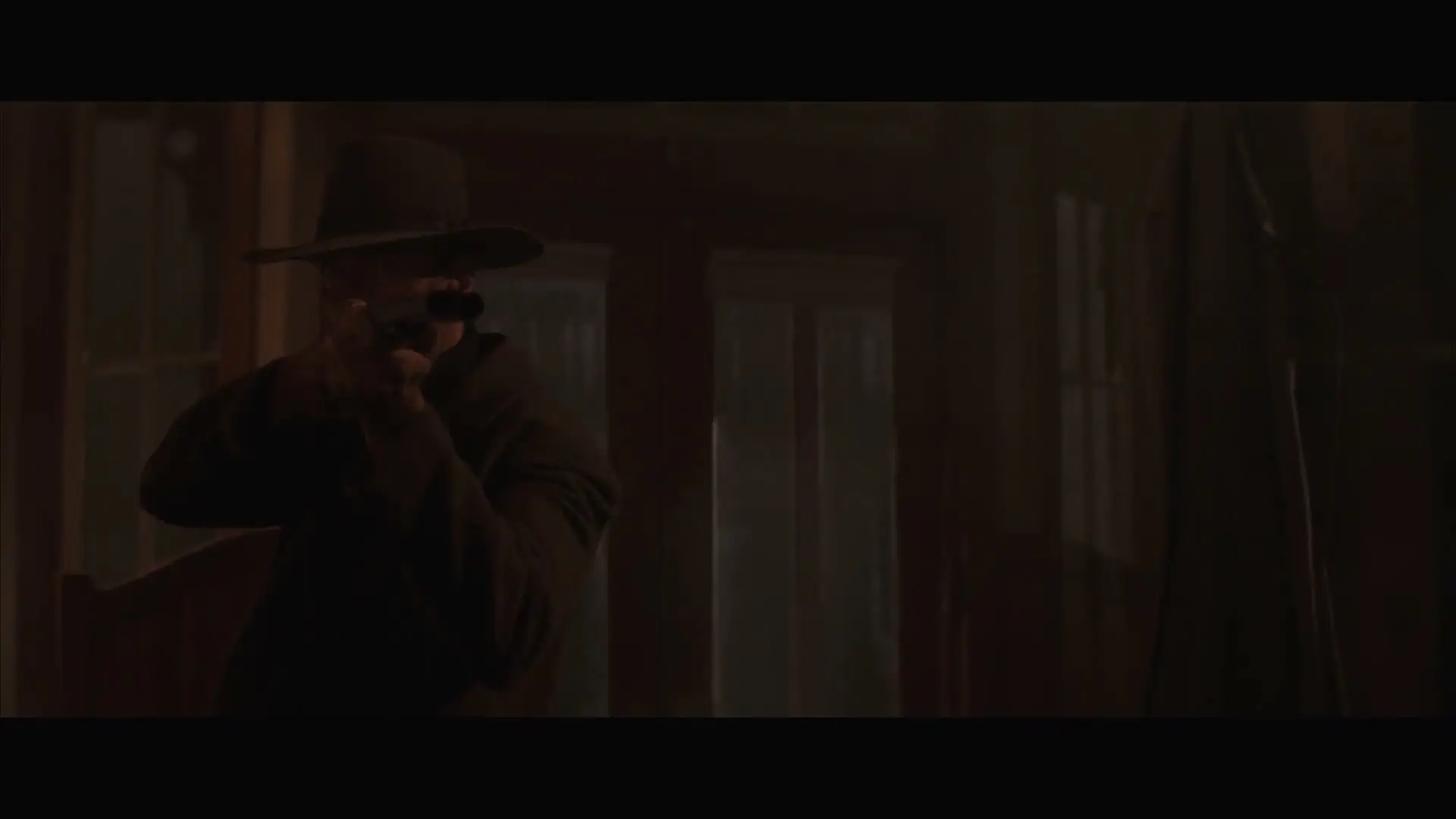
One of his opponents attempts to fire, but a weapon malfunction creates an unexpected opening. Munny reacts quickly, taking advantage of the hesitation and turning the situation in his favor.
The sequence demonstrates that experience can be just as important as physical speed.
Unlike younger gunfighters who might rely entirely on quick reflexes, Munny understands the importance of recognizing an opportunity when it appears.
The violence is sudden and brutal, leaving the saloon filled with wounded men and terrified witnesses.
Yet even after the shooting stops, the tension does not disappear.
The most memorable part of the scene is still waiting.
The Writer Who Witnesses the Horrors of the West
Among the people caught in the middle of the confrontation is W.W. Beauchamp, a writer who has spent much of the film fascinated by stories of legendary gunfighters.
He has been drawn to the mythology of the Old West, where dangerous men are often transformed into larger-than-life heroes through exaggerated tales.
But witnessing Munny’s violence gives him a very different perspective.
Terrified and desperate to survive, Beauchamp repeatedly insists that he is only a writer and has no intention of fighting anyone.
His presence creates an interesting contrast with the violence surrounding him.
He wants to understand gunfighters through stories, but Munny represents the uncomfortable reality behind those stories.
There is nothing glamorous about the destruction taking place in front of him.
This moment also reinforces one of the film’s central themes: the difference between the romanticized legends of the West and the brutal truth of life on the frontier.
“Deserve’s Got Nothing to Do With It”
Perhaps the most unforgettable exchange comes when Little Bill, lying wounded and defeated, protests that he does not deserve to die this way.
He reminds Munny that he was simply building a house.
It is a desperate attempt to appeal to the idea that his ordinary ambitions should somehow protect him from the consequences of his actions.
Munny responds with one of the coldest lines in Western cinema:
“Deserve’s got nothing to do with it.”
The statement is short, but its meaning is enormous.
It reflects the brutal moral universe of Unforgiven, where justice is rarely clean, violence has lasting consequences, and good intentions do not necessarily protect anyone from suffering.
Munny is not delivering a heroic speech about morality.
He is making it clear that Little Bill’s personal hopes and ambitions cannot erase what he did to Ned.
Eastwood’s restrained delivery makes the line even more powerful. There is no unnecessary emotion, no dramatic explanation, and no attempt to make the moment comforting.
It is simply a final judgment.
The Final Warning That Leaves the Town Speechless
After the saloon confrontation, Munny steps outside and addresses the frightened residents of Big Whiskey.
He makes it clear that anyone who threatens him or harms another person will face devastating consequences if he ever returns.
His warning is not presented as a triumphant declaration of heroism. Instead, it reveals how completely violence has taken control of the situation.
The townspeople have witnessed what happens when the wrong person is pushed too far.
Munny then disappears into the darkness, leaving behind a community that will never look at him the same way again.
There is no celebration, no grand victory parade, and no comforting sense that everything has been made right.
Only silence remains.
That ending is entirely consistent with the film’s darker vision of the Western frontier.
Why Unforgiven Remains a Western Masterpiece
Released in 1992, Unforgiven challenged many of the conventions that had defined the Western genre for decades.
Rather than presenting gunfighters as glamorous champions of justice, the film examines the emotional and physical consequences of a violent life.
Clint Eastwood’s performance is central to that achievement.
His portrayal of William Munny combines vulnerability, regret, anger, and terrifying determination. He creates a character who is simultaneously sympathetic and frightening.
Gene Hackman also delivers an exceptional performance as Little Bill, making the sheriff more complicated than a conventional Western villain.
Their confrontation works because neither character feels like a simple symbol of good or evil.
Directed by Eastwood, the film ultimately became one of the most celebrated Westerns of its era and won four Academy Awards, including Best Picture and Best Director.
Its influence continues to shape how filmmakers approach stories about aging gunfighters, revenge, and the mythology of the American frontier.
The saloon showdown remains one of its defining sequences.
It reminds viewers that the most frightening Western characters are not always the ones who speak the loudest or carry the biggest reputations.
Sometimes, the most dangerous man is the one who has already tried to leave his violent past behind.
And when that past finally catches up with him, even an entire saloon may not be enough to stop him.