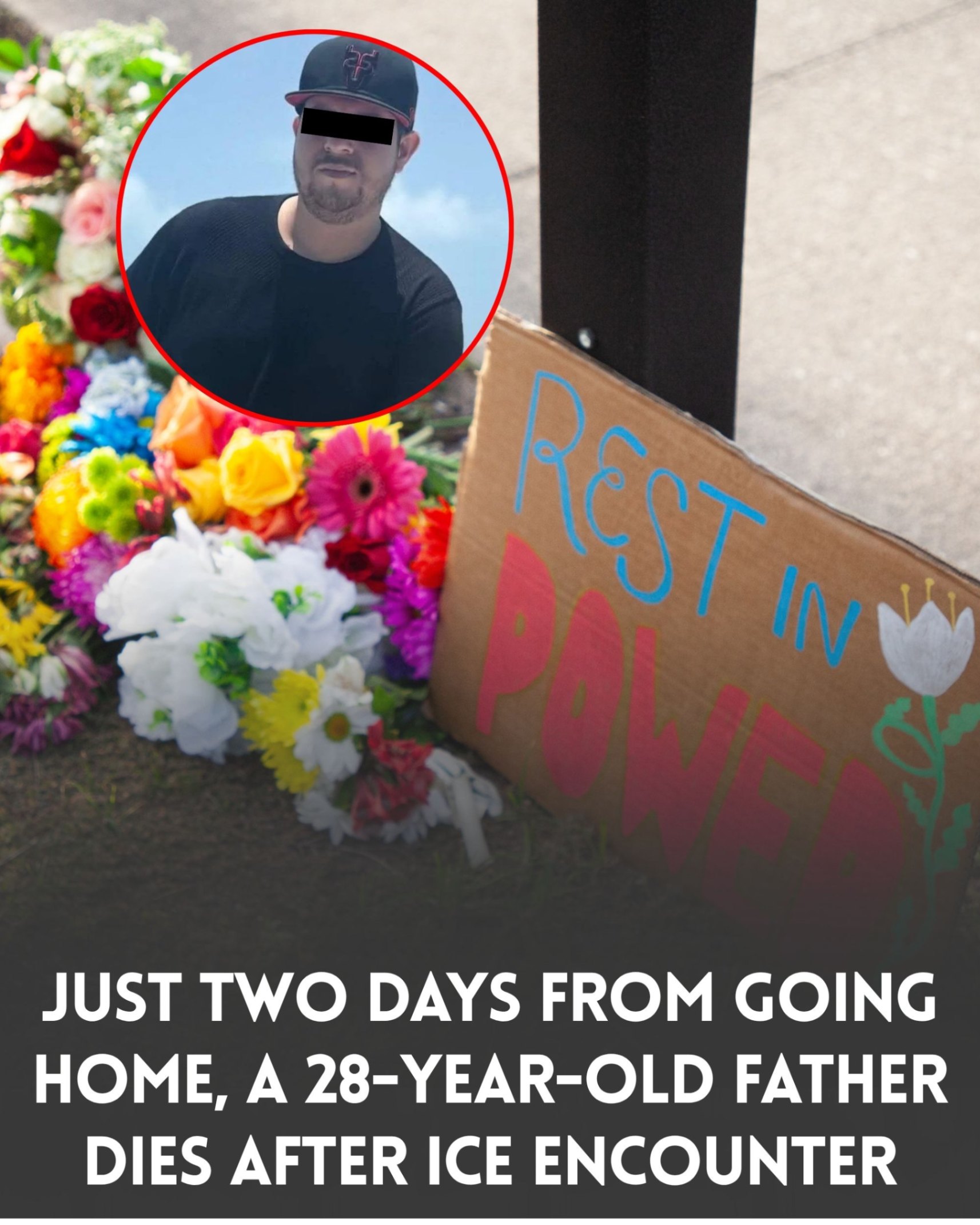
The death of Juan Jairo Coronilla Duran has become the latest tragedy fueling an increasingly emotional national debate over immigration enforcement in the United States. According to reports, Coronilla Duran was just three weeks into a tourist visa when Immigration and Customs Enforcement (ICE) officers stopped his vehicle in Florida. He was reportedly only two days away from boarding a flight home to reunite with his family.
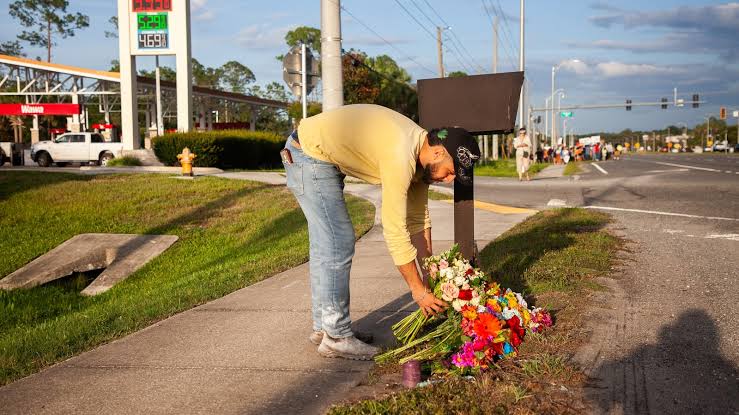
Instead, his journey ended in tragedy.
His wife reportedly learned what had happened not through a phone call from officials, but by seeing the news. The heartbreaking circumstances surrounding his death have sparked outrage among immigration advocates, civil rights organizations, and members of the public who argue that the country’s immigration enforcement system is causing irreparable harm to families.
The incident has also drawn attention because it reportedly marks the third death connected to ICE detention or enforcement activities within a single week, intensifying calls for greater transparency and oversight.
A Vacation That Never Ended
Friends and family describe Juan Jairo Coronilla Duran as someone who expected nothing more than a temporary visit to the United States.
According to publicly reported information, he had entered the country on a tourist visa and was preparing to leave. His return flight had already been planned, with only two days remaining before he was scheduled to board the plane.
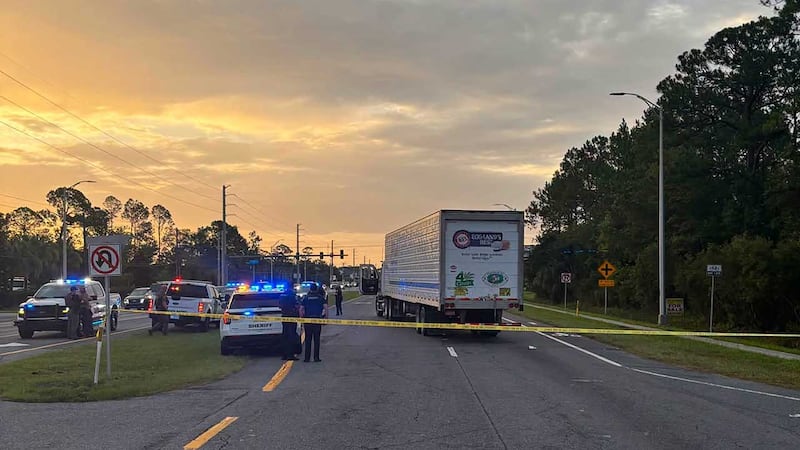
Then everything changed during a traffic stop in Florida.
Details surrounding why ICE officers stopped the vehicle and the precise sequence of events continue to be examined publicly. What is known is that Coronilla Duran ended up in ICE custody and later died.
The news quickly spread across social media, where thousands expressed disbelief that someone reportedly so close to returning home could instead lose his life while in immigration detention.
For many observers, the timing made the case especially difficult to comprehend.
Two days.
That is the amount of time supporters say separated him from returning to his family.
A Wife Learns Through Headlines
Among the most heartbreaking aspects of the story is how his wife reportedly discovered the news.
Rather than receiving immediate personal notification, reports indicate she first became aware of her husband’s death after seeing media coverage.
Families of people who die while in custody often describe the experience as one of confusion, unanswered questions, and overwhelming grief.
For relatives living outside the United States, obtaining timely information can be even more difficult because of language barriers, distance, and the complexity of communicating with multiple government agencies.
The emotional impact of learning about a loved one’s death through news reports rather than direct communication has become one of the most widely discussed elements of Coronilla Duran’s case.
Three Deaths in One Week
Coronilla Duran’s death has received even greater attention because it reportedly follows two other deaths involving individuals who had encounters with ICE during the same week.
One case involved a man in Maine who reportedly possessed a valid work permit and Social Security number.
Another involved a father of three in Houston who reportedly owned a small business and was known within his community.
Although each case involved different circumstances, critics argue they collectively illustrate broader concerns about immigration enforcement policies.
Supporters of immigration reform say the stories challenge common public assumptions that immigration enforcement affects only people with extensive criminal histories.
Instead, they point to individuals with jobs, businesses, families, legal documentation in some circumstances, or plans to leave the country voluntarily.
More Than Statistics
Immigration has long been discussed through numbers.
Government reports often focus on arrests, removals, detention populations, border crossings, and enforcement operations.
But advocates argue that statistics rarely capture the human consequences behind those figures.
Every enforcement action involves an individual whose life extends beyond an immigration file.
Parents.
Children.
Spouses.
Coworkers.
Neighbors.
Friends.
The names making headlines this week each represent families whose lives changed permanently.
Supporters of affected families say discussions about immigration enforcement should include not only legal questions but also humanitarian considerations.
ICE’s Mission and Ongoing Debate
ICE was created in 2003 as part of the Department of Homeland Security following the September 11 terrorist attacks.
Its responsibilities include enforcing immigration laws, investigating transnational crime, and operating immigration detention facilities.
Supporters argue the agency plays an essential role in maintaining immigration law and public safety.
They contend that enforcing existing immigration statutes is a responsibility assigned by Congress and that officers carry out those legal duties.
Critics, however, have raised concerns for years regarding detention conditions, access to medical care, due process protections, and oversight.
Numerous advocacy organizations have called for independent investigations into deaths occurring while individuals are in immigration custody.
Human rights groups have also urged reforms aimed at increasing transparency, improving medical standards, expanding alternatives to detention, and strengthening accountability mechanisms.
Calls for Accountability
Whenever someone dies in government custody, questions inevitably follow.
What happened?
Was medical treatment provided promptly?
Could the death have been prevented?
Were existing policies followed?
Independent investigations often seek to answer those questions through medical records, witness interviews, surveillance footage, and official documentation.
Civil rights advocates argue that complete transparency is essential not only for affected families but also for maintaining public confidence in government institutions.
They say accountability requires thorough investigations regardless of a person’s immigration status.
A Divisive Political Issue
Immigration remains one of the most politically divisive issues in the United States.
Some lawmakers advocate expanding enforcement resources, arguing stronger border security and immigration enforcement are necessary for national security and public safety.
Others favor comprehensive immigration reform, including broader legal pathways, expanded humanitarian protections, and greater oversight of detention practices.
Following incidents involving deaths in custody, those political disagreements often become even more intense.
While some officials emphasize waiting for investigations before reaching conclusions, others argue recurring incidents demonstrate systemic problems that demand immediate action.
The Human Cost
The deaths reported this week have reignited broader conversations about the emotional impact immigration enforcement has on families.
Children suddenly lose parents.
Businesses lose owners.
Communities lose neighbors.
Families abroad face impossible logistical and financial challenges while attempting to recover remains, arrange funerals, and seek answers from thousands of miles away.
For many immigrant families, fear extends beyond deportation itself.
There is concern about separation, uncertainty, and the possibility that ordinary encounters—such as traffic stops—can quickly evolve into life-changing events.
Questions That Remain
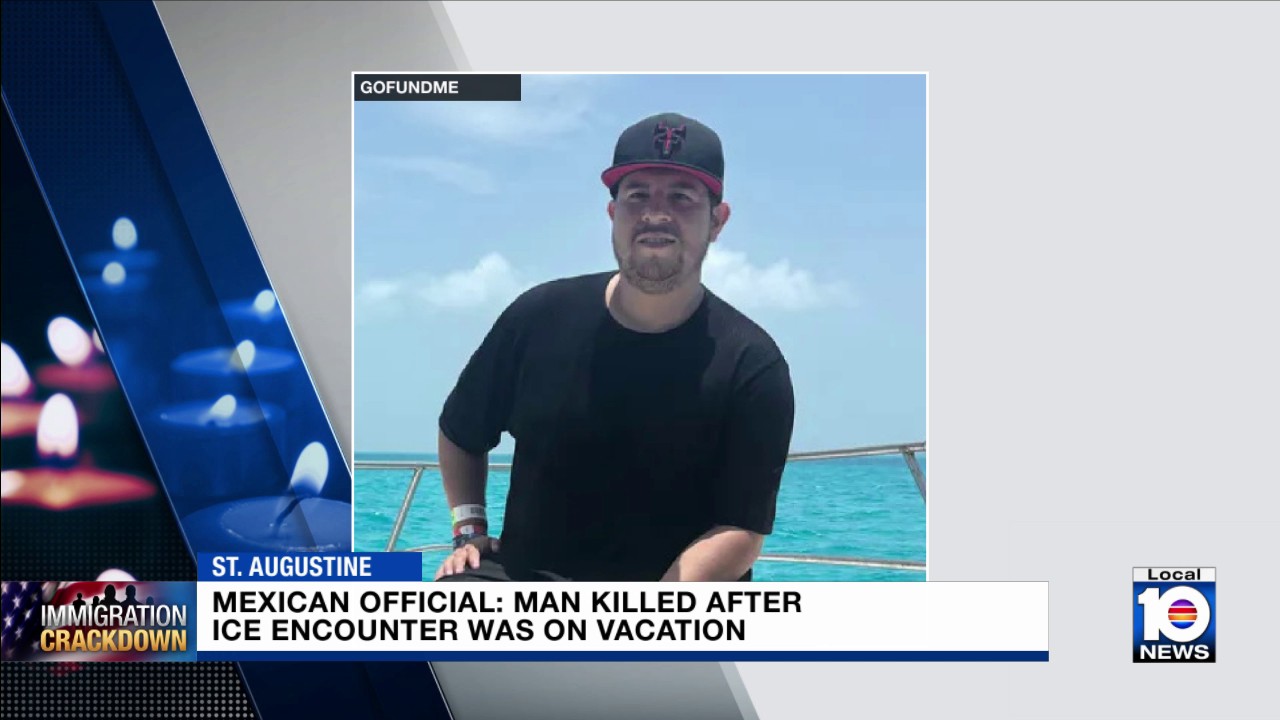
As investigations continue into the circumstances surrounding Juan Jairo Coronilla Duran’s death, many questions remain unanswered.
What exactly occurred after the traffic stop?
What medical care, if any, was provided?
Were all applicable detention protocols followed?
Could different decisions have changed the outcome?
Those answers will likely determine not only legal accountability but also whether additional policy discussions emerge in response.
A Conversation Far From Over
The deaths reported this week have once again placed immigration detention under intense public scrutiny.
For supporters of stricter enforcement, immigration laws must continue to be applied consistently while ensuring humane treatment for everyone in government custody.
For advocates seeking major policy changes, these cases represent evidence that current practices require fundamental changes or replacement.
Regardless of where individuals stand politically, deaths occurring during encounters with government authorities inevitably prompt difficult questions about transparency, accountability, medical care, and the protection of human life.
As Coronilla Duran’s family mourns a husband who never made it onto his flight home, his story joins a growing list of cases that continue to shape one of America’s most contentious public policy debates.
Whether these incidents ultimately lead to new oversight measures, legislative reforms, or broader changes in immigration policy remains uncertain. What is certain is that behind every headline is a family left searching for answers—and a public conversation that shows no sign of ending.